Hey there, if you’ve ever stared out a window on a freezing winter morning and thought, “Man, this glass is keeping my place way warmer than that single-pane junk my grandma had,” you’ve probably interacted with insulated glass (IG) — and maybe wondered, how long does this stuff actually last? As someone who’s been selling and installing insulated glass for almost 12 years now, I get this question all the time, and it’s not a one-word answer. Let’s break this down, no fancy science jargon, just real talk from a guy who’s seen hundreds of IG units outlast their owners’ first cars and some that need replacing before their HVAC system does. Insulated Glass
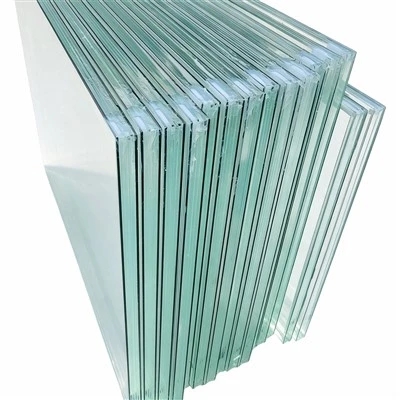
First, let’s get one thing straight: insulated glass lifespan isn’t like a lightbulb that burns out on a set schedule. It depends on so many small, easy-to-miss details — the same way your bike tire lasts longer if you keep it inflated, or your phone battery dies faster if you leave it in the sun all day. I’ve had customers call me panicking because their 15-year-old IG unit just fogged up, and others brag that their 25-year-old units are still working like a dream. So what’s the average? Most reputable data points put it between 15 and 25 years, but that range is super wide because of how you treat it, who installed it, and even the weather where you live.
Let’s start with the biggest killer of insulated glass: moisture getting inside the sealed space between the two panes. That fog or condensation you see between the glass isn’t just dirty — it’s a sign the seal failed. Here’s why that happens: when we make an IG unit, we don’t just stick two panes of glass together. First, we put a tiny desiccant (that’s a drying agent, like the stuff in a new shoe box) inside the spacer between the panes to absorb any tiny bits of moisture left during manufacturing. Then we seal the whole thing tight with a special adhesive — usually a primary seal (butyl rubber) and a secondary seal (silicone or polyurethane) to keep air and moisture out. If either seal cracks, gets a pinhole, or just wears out over time, moisture sneaks in.
I’ve seen seal failures happen as early as 7 years in places with super hot, dry summers and freezing cold winters — like parts of the Midwest or Southwest US. Why? Because extreme temperature swings make the glass expand and contract, and over time, that repeated movement stresses the seals. Think of bending a paperclip back and forth 100 times; eventually it snaps. Seals do the same thing. On the flip side, I had a customer in Portland, Oregon, where the weather is mild and damp, whose IG units are 28 years old and still not fogged. The key there? The seals were high-quality, and the installation was done right — not rushed, with no gaps around the frame.
Wait, speaking of installation — that’s a huge, often overlooked factor. A bad installer can make a perfectly good IG unit die in 5 years. I’ve had guys call me after hiring a cheap handyman to swap their windows, and the IG fogs up within a year. Why? If the installer leaves a gap between the IG unit and the frame, or uses the wrong caulk that cracks in direct sun, that lets moisture get right to the seal. Even dropping the IG unit during installation can create a tiny, invisible crack in the edge seal that only shows up a few years later. I always tell customers: don’t hire the cheapest person to put your IG in. A $200 difference now can cost you $1,500 to replace windows in 5 years.
Next up, environmental factors. Let’s talk about climate first. Places with rapid temperature changes (like the Northeast, where it goes from 80°F in July to 10°F in January) have way higher IG seal failure rates than places where the temp stays pretty stable, like coastal California. UV rays are another big one — direct, unfiltered sun beating on the outside of the IG unit every day breaks down the sealant over time. I had a restaurant in Arizona a few years ago that had their IG units facing west, and they all fogged up in 8 years. No joke, the sun was so intense it turned the seal adhesive to goo. On the flip side, units shaded by overhangs or trees last way longer — I’ve seen some in shaded areas hit 30 years easy.
Then there’s maintenance, or lack thereof. A lot of people think glass is glass, and you don’t need to do anything to it. But if you let dirt, leaves, or construction debris pile up on the edge of the window (especially the frame area), that can trap moisture against the IG seal, causing it to break down faster. I always tell customers to keep the area around their windows clear, and when they clean their windows, don’t blast water directly at the edge seal with a pressure washer — that’s a quick way to force water through the tiny seal gaps. I’ve seen a 12-year-old IG unit die because a homeowner used a pressure washer to clean the siding and accidentally sprayed the window edges too hard. Yikes.
Wait, what about the actual glass itself? Does the glass pane matter? For the most part, the glass is pretty durable, but if it’s tempered glass (which most IG units use, to avoid shattering), it can handle impacts. But if a rock hits the glass hard enough to chip it, that chip can grow over time, especially with temperature changes, and eventually lead to a broken seal. I had a homeowner who hit their window with a baseball, got a tiny chip no bigger than a pencil eraser, and 3 years later that whole area fogged up because the chip had caused the seal to crack. The glass itself didn’t break, but the seal did from that tiny stress point.
Now, let’s talk about signs your IG unit is failing, because replacing it early can save you money on energy bills. First, that fog or condensation between the panes — if you can see it, or even if it’s just a little mist that goes away in some spots but comes back, that’s a seal failing. Next, higher energy bills than normal. If your heater or AC is working way harder than it used to to keep your house at the right temp, that’s because the IG is no longer insulating like it’s supposed to. The gap between the panes is supposed to hold dry air or inert gas (like argon, which we use in all our units because it’s a better insulator than air) — if moisture gets in, the inert gas leaks out, and you lose that insulation. I had a customer whose gas bill went up 30% over one winter, and it turned out half their IG units had lost all their argon. Fixing that saved them over $500 a year on heating costs.
Another sign: water pooling at the bottom of the window frame. That’s actually coming from the IG unit — if the seal fails, moisture can build up inside and eventually leak out the bottom edge. I’ve seen window sills rotted out because people ignored that puddle for too long. Don’t do that — if you see water, check your IG units right away.
Now, let’s get back to lifespan numbers, because I don’t want to leave you hanging. If you have a top-quality IG unit, installed right, in a moderate climate, with basic maintenance, you can easily get 20+ years. Some of our earliest customers still have units we installed in 2002, and they’re still going strong — no fog, no energy issues. But if you have a cheap IG unit, installed wrong, in a harsh climate, you might be replacing it in 10 years or less. It’s all about the variables.
Wait, one thing people ask me all the time: can you repair a failed IG unit? The short answer is, almost never. You can try to drill a tiny hole in the glass, pump out the moisture, and add new desiccant, but it’s a temporary fix at best, and it won’t bring back the inert gas or the original insulation quality. Most of the time, replacing the whole unit is the only real solution, and it’s way cheaper than trying to patch something that’s already broken. That’s why it’s worth investing in good units upfront — replacing IG every 10 years adds up way more than buying a quality unit that lasts 25.
Let me share a quick story to drive this home. A couple of years ago, I worked on a 1990s-era house that was being renovated. The owner had bought the place used, and the realtor said the windows were “fine.” But when I checked, all the IG units had fog lines around the edges — they were 22 years old. We recommended replacing them with our premium units, and after we did, her energy bill for the next month was cut in half. She told me she couldn’t believe how much warmer her house felt, even with the thermostat set 2 degrees lower. That’s the real payoff: a good IG unit doesn’t just last longer, it saves you money every single month.
So, to wrap this up: insulated glass lifespan isn’t a fixed number, but it’s something you can control. Pick high-quality units from a reputable supplier (shameless plug, but I know our stuff), get them installed by someone who knows what they’re doing, take basic care of your windows, and you’ll get way more than the average 15 years out of them. The key is not just buying the cheapest thing, but buying something that’s built to last, and making sure it’s set up to do its job right.
If you’re dealing with foggy windows, high energy bills, or just want to upgrade your home’s insulation and save money long-term, feel free to reach out to our team to talk about your needs. We can help you pick the right insulated glass units for your home or business, answer any questions you have, and make sure the installation is done right the first time — no rushed jobs, no hidden fees, just quality work that lasts.
Flat Laminated Glass References:
- National Fenestration Rating Council (NFRC) – Insulated Glass Performance and Durability Standards
- US Department of Energy – Energy Efficiency Improvements: Windows and Insulated Glass
- Glass Association of North America (GANA) – Insulating Glass Seal Longevity Guidelines
- 12 years of on-the-ground field data from insulated glass installations across North America’s diverse climate zones
Suzhou Dingcheng Tempered Glass Co., Ltd.
As one of the most professional insulated glass manufacturers and suppliers in China, we also support customized service. We warmly welcome you to wholesale high quality insulated glass made in China here from our factory. If you have any enquiry about free sample, please feel free to email us.
Address: No.777 Limin North Road, Lili Town, Wujiang District, Suzhou City, Jiangsu Province
E-mail: Dingchengglass@163.com
WebSite: https://www.dingchengglass.com/
