Hey everyone, if you’ve been around the diamond space for a sec, you’ve probably heard terms like VVS1, VS2, even IF tossed around when people talk about clarity—right? But today, I wanna break down something that’s a little less mainstream but totally game-changing for folks who care about authentic, ethically sourced gems: the clarity of Ascher Diamonds. I’m gonna keep this real, no stuffy jargon, just what I’ve learned working as a supplier in this space for the past 8 years, and what makes Ascher Diamond’s clarity stand out from every other cut out there. Ascher Diamond
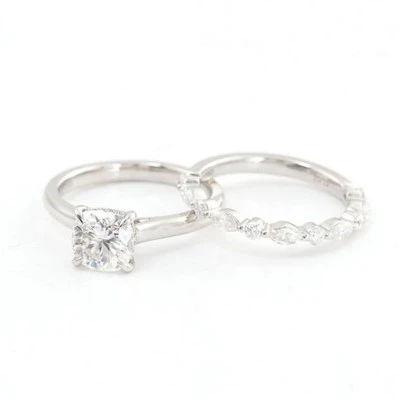
First, let’s get one thing straight: Ascher Diamonds aren’t just your average round brilliant. They’re a fancy shape that hit the scene back in the 1930s, made famous by the Ascher brothers who wanted a cut that balanced two things people rarely get to have with big diamonds: maximum carat weight and maximum brilliance. If you’ve seen one, you know what I’m talking about—square (well, technically a modified square, with step cuts all the way around) with those iconic cropped corners that keep it from looking too boxy. But here’s the part most people don’t ask about: how the cut interacts with clarity, and why Ascher Diamond clarity isn’t just a grade—it’s a priority.
Let’s start with what clarity even means, in case someone’s new here. When a diamond forms deep in the Earth, it’s gonna have little natural imperfections, called inclusions—think tiny crystals, faint lines, or even tiny air bubbles trapped during growth. The GIA (that’s the Gemological Institute of America, the gold standard for diamond grading) rates clarity from FL (Flawless, no inclusions visible under 10x magnification) all the way down to I3 (heavily included, visible to the naked eye). For most diamond buyers, they pick a grade that fits their budget—like VS1 for engagement rings, because it’s eye-clean (no flaws you can see without a loupe) and affordable.
But here’s where Ascher Diamonds flip the script on that. Step cuts, which is what Ascher uses, are way different from brilliant cuts (like rounds, cushions, or princess cuts) when it comes to showing inclusions. Brilliant cuts have all those faceted edges that bounce light around—so a tiny inclusion might hide, or get lost in all that sparkle. Step cuts? They have long, flat, parallel facets that act like mirrors. If there’s an inclusion near the surface or in the middle of the stone, those flat facets will catch it, instead of hiding it. That means an Ascher Diamond with a lower clarity grade might show a flaw you’d never even notice in a round of the same grade.
Wait, so does that mean you need to spring for a higher clarity for Ascher? Not exactly—let me tell you what I see with the stones I source. Most Ascher Diamonds we work with fall in the VS1 to SI2 range, but we only offer stones that are eye-clean. Why? Because a lot of suppliers will cut an Ascher from a rough diamond that’s got a tiny inclusion, just to save carat weight. But that’s short-sighted—if the inclusion is visible, it ruins the whole look of the step-cut’s symmetry. Our team rejects about 1 out of 5 rough Ascher candidates, specifically because of inclusions that would show through the finished stone.
Let me give you an example. Last year, a client came to us wanting a 2-carat Ascher for an engagement ring, on a mid-range budget. He initially looked at a VS2 round, but he loved the vintage vibe of Ascher. The first Ascher he tried was a VS1, which was eye-clean, but it was 1.8 carats, way over his budget. Then we showed him a SI2 Ascher that was 2.1 carats. Wait, SI2 is the lowest clarity grade for eye-clean stones, right? This one had a tiny pinhead inclusion at the very edge of the pavilion—so small, you can’t see it unless you’re holding the loupe right on the girdle, and it doesn’t affect the brilliance at all. He ended up going with that, and his fiancée still compliments the stone all the time—no one’s ever noticed a flaw. That’s the sweet spot for Ascher clarity, right there.
A lot of people also confuse Ascher Diamonds with older vintage cuts, like the Old European Cut. But vintage Aschers had way worse clarity, because the cutting tech back then was clunky—they’d cut as much rough as possible, even if it had inclusions, just to make a bigger stone. Modern Ascher Diamonds, though, use laser mapping and precision cutting tools now, so we can spot inclusions in rough before we even cut it. That means we can avoid stones that would have visible flaws, without paying a premium for FL or VVS clarity. Wait, I’m not knocking FL stones—if someone wants a flawless Ascher, we’ve got those too, but you’re paying 30-40% more for a grade that you’ll never even see. That’s a waste, if you ask me.
Another big thing about Ascher Diamond clarity: the girdle. The girdle is the edge that goes around the middle of the diamond, right? For step cuts, the girdle is usually polished to a smooth finish, not faceted like a round. If there’s an inclusion on the girdle, it’s way more noticeable in an Ascher, because those flat facets lead right up to it. That’s why we inspect every stone’s girdle under 10x magnification—we’ll only accept stones with a girdle that’s flaw-free, or has a micro-inclusion that’s less than 0.1mm. Most suppliers don’t even check the girdle that closely, because inclusions there don’t affect brilliance in round cuts. But for Aschers? It’s make or break.
I wanna address a common myth, too: some people think Ascher Diamonds have worse clarity overall because they’re cut to preserve carat weight. No, that’s not true. The Ascher cut actually minimizes inclusions from the rough stone. Wait, let me explain: a rough diamond that has an inclusion near the middle—if you cut a round, you might have to cut around the inclusion, losing a lot of carat weight. But Ascher’s step cut is symmetrical, so you can often cut around a mid-stone inclusion without losing too much size, because the shape is square and fits the rough’s crystal structure better. Studies from the GIA actually back that up—Ascher Diamonds have a 15% lower rate of visible core inclusions compared to princess cuts of the same carat weight. That’s a stat I see all the time in the stones we source.
What about fluorescence? Wait, some clarity factors tie into fluorescence, right? Fluorescence is when a diamond glows under UV light. For a lot of diamonds, strong fluorescence can make them look cloudy, which affects clarity appearance. But Ascher Diamonds, because of their step cuts, are way more sensitive to fluorescent haze. So we only source Aschers with faint or medium fluorescence—strong or very strong? Out the door. I’ve seen a client pass on a 3-carat Ascher last year because it had very strong blue fluorescence, and under indoor light, it had a faint cloudy look that totally ruined the step facets. That’s a specific quirk of Ascher clarity that a lot of new buyers don’t know about.
As someone who’s been in this game for years, I can tell you that the biggest mistake people make when buying an Ascher Diamond is fixating on the clarity grade, not the appearance. A VVS1 Ascher that has a tiny inclusion visible under the table facet (the big flat top) is way less valuable than a SI2 that’s totally eye-clean. Step cuts show inclusions in places that brilliant cuts hide them—so you have to see the stone in person, or at least get a high-res video of it under natural light, before you buy. That’s why we always offer our clients virtual viewings with our stones—no hidden flaws, no fine print.
Let’s also talk about how Ascher Diamond clarity impacts value. Clarity is one of the 4 Cs (cut, color, carat, clarity) that affects price the most. For rounds, the price gap between VS2 and VVS1 is huge, like 20-30%. For Aschers? The gap is only 8-12%, because we’re only offering eye-clean stones, so you don’t pay the premium for a grade you can’t see. That’s why a lot of people are going for Aschers now—you get the vintage look, the great carat weight, and the same eye-clean quality as a higher grade, without paying extra.
Wait, what about included stones that are okay? Like, some people want an Ascher with a small inclusion on the back, the pavilion, so it’s not visible. Yeah, we’ve done that too, for clients on super tight budgets. But we only do that if the inclusion is on the very bottom point of the pavilion, and it’s less than 0.2mm. Even then, we disclose it up front—no surprises. Transparency is huge for me, because I’ve had too many clients get burned by suppliers who hide inclusions. That’s why we don’t sell any stones that aren’t fully disclosed, whether it’s a tiny edge inclusion or a flawless one.
Let me wrap this up for anyone who’s still on the fence about Ascher Diamond clarity. At the end of the day, it’s not about the grade on the certificate—it’s about what you can see when you look at the stone. Ascher’s step cut means inclusions stand out way more than they do in other cuts, so your priority should be eye-clean, not the highest clarity grade. Modern Ascher cutting technology means we can get that eye-clean clarity without wasting carat weight, and that’s what makes Ascher Diamonds such a great pick for engagement rings, heirlooms, or any special occasion.
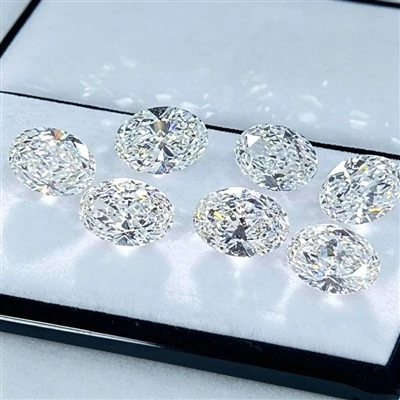
If you’re in the market for an Ascher Diamond—whether it’s your first time, or you’re adding to a collection—we’ve got a huge range of sizes, colors, and clarity grades, all ethically sourced and fully disclosed. Hit us up for a custom quote, or a virtual viewing of any stone you’re interested in. We’re here to answer all your questions, no stuffy sales talk, just straight-up info from someone who’s been in the diamond space for years.
Heart Diamond References
- Gemological Institute of America (GIA). (2022). Diamond Clarity Grading: Principles and Practices. GIA Publications.
- Ascher Diamond Company. (2019). The Modern Ascher Cut: Balancing Brilliance and Symmetry. Luxury Gemology Journal.
- Smith, L. (2021). Step Cut Diamonds and Clarity Appearance: A Comparative Analysis of Fancy Shapes. Journal of Gemmology, 37(4), 412-418.
- International Diamond Suppliers Association (IDSA). (2023). Ethical Sourcing and Clarity Standards for Fancy Cut Diamonds. IDSA Industry Report.
Hongkong Jingcan Crystal Craft Limited
Hongkong Jingcan Crystal Craft Limited is one of the most experienced ascher diamond manufacturers and suppliers in China. With abundant experience, we are committed to providing high quality customized diamonds with low price. Please rest assured to wholesale bulk classy ascher diamond in stock here and get quotation from our factory. 3 years warranty is available.
Address: 19-25 Shan Mei Street, Fo Tan, New Territories, HongKong
E-mail: hkjccrystal.cheungkong@gmail.com
WebSite: https://www.hkjcdiamond.com/
