If you’ve ever reached out for a rotary lobe pump quote, you’ve probably noticed something: two pumps that look nearly identical on paper can have price tags that vary by thousands of dollars. As someone who’s supplied rotary lobe pumps to food and beverage, pharmaceutical, and industrial manufacturers for over a decade, I get it—this confusion isn’t just frustrating for buyers, it’s something I work to break down for every customer who picks up the phone or sends an email asking for clarity. Rotary Lobe Pump
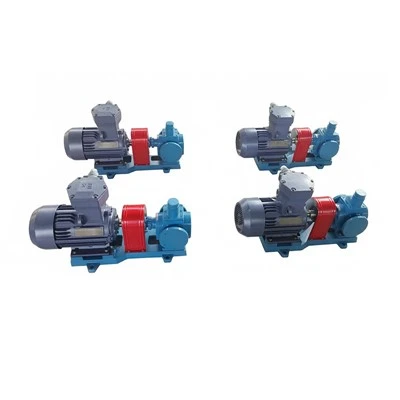
I’ve lost count of how many times a prospective client has called, asking for a “basic rotary lobe pump for 2-inch lines” with a fixed budget, only to realize halfway through our conversation that their “basic” need is way different from another buyer’s version of the same term. A craft brewery will pay far less for a pump that moves wort than a biotech firm will pay for a pump that handles cell culture media, even if both units are the same nominal size. That gap doesn’t come from arbitrary markup, either—it comes from specific, tangible factors that go into designing, building, and testing every pump we ship. Let’s walk through those factors, the way I explain them to my team and our customers, to clear up what really drives rotary lobe pump pricing.
First and most obvious: material construction. Rotary lobe pumps handle everything from thin fruit puree to viscous industrial sludge, and the materials that make contact with your product or process fluid have to match that application perfectly. I’ll never sell a stainless steel pump to a job site where the client is moving mild, non-corrosive water, but I also won’t sell a cheap aluminum pump to a pharmaceutical plant that needs to meet 3-A sanitary standards. Let’s break this down. For general industrial applications like moving lubricating oil or raw industrial chemicals, common materials like cast iron or carbon steel are standard. These are durable, easy to machine, and come at a lower cost than specialty metals, which makes them perfect for buyers on a budget who don’t need sanitary or corrosion-resistant features. But if you’re working with food, beverage, or pharmaceuticals, those materials don’t cut it. We use 304 stainless steel for most sanitary applications, and step up to 316 stainless steel for anything that touches acidic food products, corrosive chemicals, or biological materials. 316 has molybdenum added to the alloy, which makes it more resistant to pitting and corrosion—this extra layer of protection costs about 20-30% more than 304 steel, but it’s non-negotiable for applications where even a tiny amount of metal leaching could ruin a batch or pose a safety risk. And then there are the lobes themselves. Standard lobes are molded from nitrile rubber for general use, but for high-temperature applications (like moving hot chocolate at 180°F) or abrasive materials (like pepper slurry), we use EPDM or even PTFE-coated lobes. Each of these materials has its own cost, and we pass those differences straight to the quote—no hidden markup here.
Next, sanitary and compliance standards. This is where a lot of the price gap really widens, and it’s also the area where cutting corners can get you in big trouble. I had a customer a few years back who tried to save $1,500 by buying a “similar” pump from a supplier that didn’t meet 3-A standards for their sauce manufacturing line. Within two weeks, their line was shut down for a health inspection, and they had to discard 5,000 gallons of product because the pump’s interior crevices didn’t allow for proper CIP (clean-in-place) cleaning. That mistake cost them way more than the initial savings, and we still see it happen all the time. Sanitary pumps aren’t just made with stainless steel—they’re designed with smooth, crevice-free interiors, rounded edges on the lobes, and no threaded connections inside the fluid path that can trap bacteria. They also have to be certified to global standards, like 3-A in the U.S., EHEDG in Europe, or ISO 13485 for medical devices. Each of these certifications requires rigorous testing—we have to send every pump model we make for third-party audits, reconfigure our assembly lines to meet strict hygiene rules, and keep detailed documentation for every unit that ships. All of that adds to the cost, but it’s non-negotiable for buyers in regulated industries. Even for industrial buyers, if you need a pump that meets FDA standards for contact with food or drugs, you’re going to pay a premium over a non-sanitary pump, and that premium is worth every penny to avoid shutdowns or compliance fines.
Then there’s flow rate and pressure requirements, which sound simple enough but can also skew pricing. When a customer tells me they need a 3-inch rotary lobe pump, my first question is always: “What flow rate and discharge pressure do you need at that size?” A pump that moves 50 gallons per minute at 10 PSI is way different from one that moves 150 gallons per minute at 50 PSI, even if they’re the same nominal size. Rotary lobe pumps work by trapping fluid between the lobes and the pump housing, so the size of the lobes, the gap between the lobes and housing, and the power of the drive system all have to be engineered to meet your specific flow and pressure needs. A basic, low-flow pump uses a smaller drive motor and simpler lobe geometry, which is cheaper to produce. But if you need higher flow or pressure, we have to reinforce the pump housing to handle the extra force, use a larger, more efficient motor, and design lobes that can maintain their shape under higher pressure without wearing out. I’ve had clients try to “oversize” pumps to save money, but that actually leads to more wear, higher energy bills, and more frequent repairs—so we always size pumps correctly based on their specific needs, and that sizing directly impacts the final price.
Drive and control systems are another big factor that many buyers overlook when they first request a quote. A basic rotary lobe pump comes with a standard electric motor and a fixed-speed drive, which is fine for applications where you just need the pump to turn on and off at a set rate. But if you need to adjust flow rates mid-process, or integrate the pump with your existing PLC (programmable logic controller) for automated lines, you’ll need a variable frequency drive (VFD) or a digital control panel. Those components aren’t just expensive on their own—they also require extra engineering work to integrate with the pump, and they add to the assembly and testing time. For example, a VFD that can sync flow rate with other equipment on your line can add $1,000 to $3,000 to the price, but it can also cut your energy costs by 20-30% over the life of the pump, which makes it a smart investment for many buyers. We also offer other drive options, like pneumatic drives for hazardous environments where electric motors pose a fire risk, or explosion-proof motors for facilities handling flammable materials. Each of these options has a different cost, and we work with customers to pick the one that fits their process, not just their budget.
Customization and after-sales support round out the pricing factors, and these are the ones that build long-term trust, not just a one-time sale. A lot of general pump suppliers make standard, off-the-shelf pumps, but many of our customers have unique needs—like a brewery that needs a pump with a special inlet to fit their existing tank, or a mining company that needs a pump lined with polyurethane to handle highly abrasive ore slurry. Custom design work, new tooling, and testing for non-standard features all add to the cost, but that’s what we do for clients who can’t find an off-the-shelf unit that fits. And then there’s after-sales support. When you buy a pump from us, you don’t just get a part—you get access to our team of engineers, technicians who can help with installation, and a 12-month warranty on all parts and labor. We also offer spare parts kits, scheduled maintenance, and 24/7 emergency service for customers in critical processes like pharmaceutical manufacturing. That support doesn’t come for free, but it means that when your pump breaks down at 2 a.m. and you need it fixed by morning, you don’t have to wait three days for a replacement part from a supplier overseas.
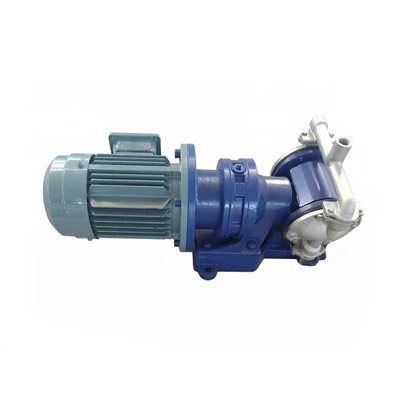
I’ve been in this industry long enough to know that price is rarely the only factor when buying a rotary lobe pump. A low initial quote might look attractive, but if that pump doesn’t meet your sanitary standards, can’t handle your flow rate, or comes with no support, it will end up costing you more in downtime, repairs, and replacement. At the end of the day, the right rotary lobe pump is one that fits your specific application, your compliance requirements, and your long-term process needs—not just the lowest number on a quote. If you’re trying to figure out which pump is right for your operation, or if you want a custom quote that’s tailored to your needs, our team is here to walk through every factor with you, no pressure, no hidden costs, just honest answers. Reach out to us today to discuss your rotary lobe pump requirements and get a quote that works for your business.
Diaphragm Pump References
- Davis, J. (2020). Process Pumps: Selection, Application, and Maintenance. Industrial Press Inc.
- European Hygienic Engineering & Design Group. (2021). Sanitary Pump Design Guidelines for Food and Pharmaceutical Processing. EHEDG Foundation.
- American Society of Mechanical Engineers. (2019). ASME B73.1: Specification for Horizontal End Suction Centrifugal Pumps for Chemical Process. ASME International.
- International Organization for Standardization. (2018). ISO 13485: Medical Devices – Quality Management Systems – Requirements for Regulatory Purposes. ISO.
- Mccabe, W. L., & Smith, J. C. (2019). Unit Operations of Chemical Engineering (8th ed.). McGraw-Hill Education.
Botou Hengyang Pump & Valve Co., Ltd.
With abundant experience, we are one of the most professional rotary lobe pump manufacturers and suppliers in China. Please feel free to buy high standard rotary lobe pump made in China here and get pricelist from our factory. All customized pumps are with high quality and competitive price.
Address: No. 159, Road 1, Development Zone, Botou City, Cangzhou, Hebei Province, China
E-mail: bthdbf@163.com
WebSite: https://www.hyoilp.com/
