Hey there, if you’re here reading this, chances are you’re either in the market for a rental LED display for an upcoming event, or you’ve been Googling random LED terms at 2 a.m. because your event planner just dropped your “make it pop” deadline on you. Either way, let’s cut to the chase: one of the most common questions we get as rental LED display suppliers is “What’s the response time?” And honestly, it’s not some random tech jargon number you can ignore—this tiny spec can make or break how your event looks, feels, and even how much your audience notices (in a good or bad way). Rental LED Display
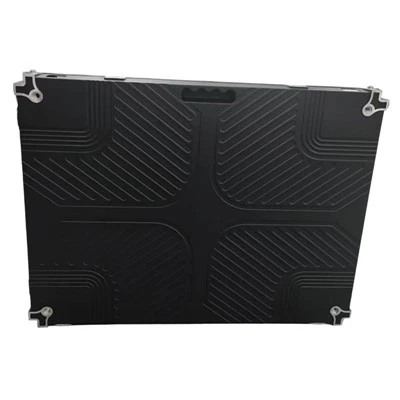
First, let’s get what response time actually is straight, no fancy textbook stuff. If you’ve ever watched a TV or monitor, response time is how fast a single pixel goes from one color to the next—say, from black to white, or red to blue. For rental displays, this is way more important than it is for your living room TV, because rental setups are almost always moving: think concert stages, product launches, trade show booths, or even sports event sideline screens. If a pixel takes too long to switch, you get this weird “ghosting” effect—like a quick-moving athlete leaves a faint blur trail behind them, or a fast-cut video clip at a concert looks choppy instead of smooth.
Wait, but let’s not mix this up with refresh rate, because people do that all the time. Refresh rate is how many times the whole screen refreshes per second (measured in Hz), like 60Hz or 120Hz. Response time is the speed of individual pixels, and you need both to be on point, but if you only nail one, you’ll still have issues. For rental displays, most of the stuff we supply is for high-action events, so we prioritize both, but response time is the one we field questions about nonstop.
Now, what’s a good response time for rental LED displays? Let’s break it down by use case, because not every event needs the same speed. For most trade shows or corporate events where video is slow-moving—like a product demo or a keynote with slides and basic video—anything under 10 milliseconds (ms) is totally fine. You won’t notice any lag here. But for stuff that’s fast: live music concerts, sports, esports events, or dance performances? You need a way tighter number, like 1ms to 5ms. That’s the sweet spot. Anything over 10ms and you start getting ghosting, especially on super fast movements. We’ve seen customers try to cut corners by going with a cheaper rental display that has 15ms or higher, and halfway through the first fast song, they’re calling us panicking because their lead singer’s mic moves are leaving blurs all over the screen. Oops.
But here’s the thing: not all response time numbers are created equal. You’ll see terms like “GTG” and “MPRT” thrown around, and if you’re not in the know, they sound identical, but they’re not. GTG is “Gray to Gray” response time—that’s the actual speed a pixel takes to switch between different gray shades, which is what most people mean when they talk about response time for video. MPRT is “Moving Picture Response Time,” which is a bit of a marketing trick sometimes. It measures how long a pixel stays lit when it’s changing, so it can make slower displays seem faster. For example, a display with 8ms GTG might have a 3ms MPRT, but that doesn’t mean it’s better for fast action—GTG is the real number to look at. As a supplier, we always list GTG first because we don’t want to mislead anyone. We’ve had clients come back to us after an event saying the display looked smooth, and half the time it’s because they checked the GTG spec instead of the flashy MPRT.
Now, why does this matter so much for rental displays specifically? Unlike fixed, home displays, rental displays get set up and taken down constantly, sometimes shipped across the country, and used by different teams. But their biggest quirk is portability—wait, no, the fast-moving use case. When you’re at a concert, the camera crews are panning super fast, the band is jumping around, and the video wall is usually right behind them as part of the stage setup. If that wall has a slow response time, the audience in the back (or even up close) will see every single blur. We had a festival client last year go with a cheaper rental option because it was $500 cheaper for a 3-day event, and by the second day, the festival staff were messaging us begging to swap. Their 12ms GTG display had so much ghosting on the main stage’s video wall that fans were complaining on social media about “the blurry band.” We got them set up with our standard 5ms GTG rental units by that evening, and they said the difference was night and day. No more blur, the video clips matched the live action perfectly, and the comments shifted 180 degrees to raving about the stage production.
Another point: size matters too, right? For small rental displays—like a 10×10 booth at a trade show—you might not even notice a 10ms response time. But if you’re talking a 50×20 foot video wall for a stadium or a big concert, the distance from the screen to the farthest viewer is way longer. So even a tiny 1ms lag becomes noticeable on that scale. Imagine sitting in the 500th row of a stadium: if the pixel takes 5ms to switch, that’s a tiny delay, but on a screen that’s 200 feet wide, the blur stretches out and makes the whole wall look unprofessional. We always adjust our recommendations based on screen size and event type—small trade show booth? No need to overspend on 1ms. Big concert stadium? We’re going with 100% 1-3ms GTG units, no exceptions.
Wait, but what about common myths we hear from clients? One big one is “all LED displays have the same response time.” Nope. LED tech has come a long way, and rental units use different panel types. The most common for rental are SMD (Surface Mount Device) panels, and the difference between good SMD panels and budget ones is huge. Budget rental panels often have 10-15ms GTG, while premium ones we supply have 1-5ms. Another myth: “higher resolution means better response time.” No, resolution is just how many pixels are on the screen—1080p vs 4K doesn’t affect response speed. That’s all about the panel’s internal hardware and firmware, which is something we test every single unit before it leaves our warehouse. We don’t send out a rental display without doing a quick test of response time, refresh rate, and color accuracy—no one wants a last-minute disaster.
Also, let’s talk about what happens if you get a display with bad response time at a rental. It’s not just blurs—sometimes it can cause eye strain. If you’re staring at a screen with constant ghosting for a few hours (like at a trade show or a concert), your eyes have to work extra hard to process the blurs, which can make attendees leave early or comment on how “tired” the event felt. We had a trade show client a while back that told us their booth with our 5ms GTG display had 30% more foot traffic than the neighboring booth that used a budget 12ms display. They said people would stop at their booth just to watch the smooth video, whereas the other booth had people glancing and moving on because the video looked choppy. That’s the kind of impact response time has that a lot of people don’t think about.
Now, as a rental LED supplier, how do we make sure we’re delivering the right response time for every client? We start with a quick consult: ask about the event type, screen size, viewing distance, and what kind of content they’re showing. If it’s a slow corporate event, we point them to our cost-effective 8-10ms GTG units. If it’s a fast concert or esports, we lock in our 1-3ms premium rental panels. We also pre-test every unit before delivery, so we know exactly what response time it’s running at—no guessing, no surprises. We even offer a demo sometimes: if a client is on the fence, we can bring a small test screen to their office or event to show them the difference between a 3ms and a 12ms display. Most of the time, after seeing the ghosting in person, they’re ready to upgrade.
Wait, let’s answer a specific question we get all the time: “Can response time be adjusted after setup?” No, not really. The response time is baked into the panel’s hardware. You can tweak brightness, contrast, or color settings, but you can’t speed up how fast a pixel switches. That’s why it’s so important to get the right spec from the start. We always remind clients to tell us exactly what kind of content they’re using—if they have a mix of slow and fast content, we’ll meet them in the middle. For example, a product launch that has a keynote (slow) and a live performance (fast) would work great with our 5ms GTG units—balance of quality and cost.
Another thing to consider: rental displays are often used for outdoor events too. If you’re doing a outdoor concert or a sports viewing party, the ambient light is bright, so you might turn up the brightness a lot. Sometimes cranking up brightness can slightly increase response time, but with our premium units, that delta is negligible—like 0.5ms at most. Budget units can jump 3-4ms when you turn up brightness, which is a big difference. That’s another reason we stick to premium panels—even for outdoor use, the response time stays consistent, no matter the brightness.
Let’s wrap this up with a quick recap, because we know you’re probably scrolling back to check numbers. Response time for rental LED displays is how fast a pixel switches color, measured in GTG (Gray to Gray) ms. For most events: 8-10ms for slow, indoor corporate events; 5-8ms for mid-speed events like product launches or small trade shows; 1-5ms for fast, high-action events like concerts, esports, or large stadium displays. Avoid MPRT as a main spec, go with GTG, and always confirm with your supplier what test they did to get that number.

And if you’re still not sure what you need? That’s what we’re here for. We don’t just ship you a display and disappear—we walk through your event, your content, and your budget to pick the perfect response time for your setup. No jargon, no hidden fees, just straight-up advice that’s worked for hundreds of events over the years. Whether you’re planning a 10×10 trade show booth or a 100×30 foot concert video wall, we’ve got the rental displays with the right response time to make your event look as good as you want it to. Reach out to us to chat through your needs—we’re happy to help.
Indoor Fixed LED Display References:
- DisplayMate Technologies. (2022). LED Display Response Time Testing Protocols.
- InfoComm International. (2021). Rental and Staging Display Performance Standards.
- LED Professional Association. (2023). Pixel Response Time for Event Display Applications.
Shenzhen TrueColor LED Co., Ltd.
As one of the most professional rental LED display manufacturers in China, we also support customized service. We warmly welcome you to wholesale durable rental LED display for sale here from our factory. If you have any enquiry about cooperation, please feel free to email us.
Address: 3/F, Bldg A9, 10 Longyi Rd, Fuyong Sub-dist, Bao’an Dist, Shenzhen
E-mail: sales@truecolor-led.com
WebSite: https://www.truecolor-led.com/
