If you’ve ever dabbled in fabric dyeing—whether as a casual hobbyist experimenting with tie-dye for a party or a small business owner producing custom textiles for local boutiques—you’ve probably wrestled with the same small, frustrating problems: squeezing too much dye out of a bottle, wasting expensive liquid pigment with every pour, or ending up with uneven color distribution on your fabric. Last year, when a regular customer who runs a small custom apparel shop reached out asking if our plastic droppers could work for fabric dyes, I’ll admit I paused. For nearly a decade, our company has specialized in precision plastic droppers for laboratory use, essential oil blending, and liquid cosmetic formulation—so fabric dyeing felt like a niche far outside our original wheelhouse. But after testing droppers with a range of dye types, troubleshooting a few key challenges, and hearing positive feedback from dozens of other dyers, I can confidently say: yes, plastic droppers not only work for fabric dyes, they’re a game-changer for precision, waste reduction, and consistent results—when you choose the right type and use them correctly. Plastic Dropper
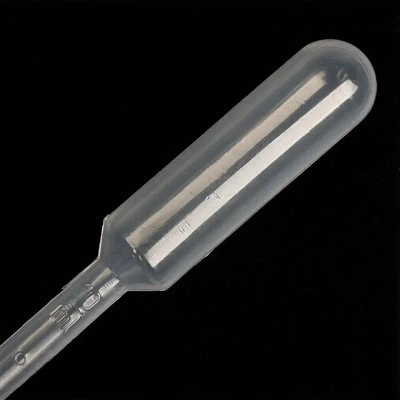
First, let’s get the basics out of the way: what makes a plastic dropper suitable for fabric dye, and what should you avoid? Not all plastic droppers are created equal, and fabric dyes fall into a few categories that matter a lot here. For casual home dyers, most use fiber-reactive dyes (the same ones used for tie-dye) or all-purpose fabric dyes, which are water-based, low-viscosity, and don’t contain harsh solvents like acetone or formaldehyde. These blend perfectly with the lightweight, flexible polyethylene (PE) plastic we use for our standard droppers—PE is non-porous, resists staining, and doesn’t leach chemicals into the dye, so your fabric stays true to color. For more specialized dyers, like those working with acid dyes for silk or wool, or disperse dyes for synthetic fabrics, those are also water-based, so they work just as well with basic plastic droppers. The big red flag to watch for: don’t use droppers made from thin, low-density plastic for dye that’s mixed with thickening agents, which is common for specialty screen-printing dyes. Those thick formulas can clog a dropper’s narrow nozzle, and flimsy plastic might crack when you squeeze to push dye through. But for 90% of fabric dyeing use cases, from spot dyeing to small-batch color mixing, standard plastic droppers are a solid choice.
I learned this the hard way when I started testing for that first customer last spring. She told me she’d been struggling with her spot-dye touch-ups: when a customer returns a custom shirt with a small faded spot, she’d been using a squeeze bottle that would release too much dye at once, leaving a dark, blotchy ring that ruined hundreds of dollars of inventory. I sent her a sample pack of three sizes of our PE droppers: 1ml, 3ml, and 5ml, with fine, tapered nozzles. A week later, she texted me a photo of a perfectly spot-dyed shirt, with no blotches, and a note that she’d cut her dye waste by 70% in one week. That’s when I realized how much of a need there was for this: fabric dyeing, for all its creative appeal, often relies on imprecise tools that lead to wasted materials, uneven results, and extra time fixing mistakes. Plastic droppers solve that by giving you total control over how much dye you release.
Let’s break down the specific benefits, because they’re not just theoretical. First, precision dosage. Whether you’re mixing a custom color for a small batch of scarves or adding a single drop of red dye to a batch of navy fabric to deepen the shade, a dropper lets you measure exactly how much liquid you need. A squeeze bottle will dispense 5ml or more of dye in one go, which is way too much for small adjustments, but a 1ml dropper releases about 0.05ml per drop—enough to tweak a shade without risking over-saturating your fabric. For hobbyists working on small projects, like dyeing a set of napkins or a single pair of jeans, that precision eliminates the need to mix large batches of dye that might go to waste if you miscalculate. For small business owners, that translates to less material waste, which directly cuts costs: if you spend $50 a month on fabric dye, cutting waste by even 20% is $120 a year, and that adds up for businesses with consistent dyeing needs.
Second, plastic droppers are resistant to staining, which is a huge plus for fabric dyers. I’ve seen glass droppers get permanently stained by dark fabric dyes like indigo or black, and once they’re stained, you can’t use them for clear or light colors without risking cross-contamination. Our PE droppers, though, are easy to clean: just rinse them with warm water right after use, and any dye residue will wipe away, leaving them ready for a different color the next day. I tested this by using the same dropper to mix a batch of purple dye, then a batch of yellow dye, and there was no cross-contamination—no off-tint in the yellow, which is exactly what dyers want. Glass droppers can also be fragile; if you’re working in a busy dye studio, a dropped glass dropper is a broken one, but our plastic droppers are shatterproof, so they stand up to the bumps and tumbles of a busy workspace.
That said, there are a few important caveats that dyers (and anyone using our droppers) need to know to avoid issues. The first is about compatibility with specific dye additives. Some fabric dyes come with brighteners or fixatives that contain mild alcohols, and while PE plastic is resistant to most alcohols, we do advise not leaving dye mixtures sitting in the dropper for more than 24 hours. Even so, we’ve had dyers leave a dropper with dye in it for three days with no issues, but to be safe, rinsing after use is simple and prevents any long-term breakdown of the plastic. The second caveat is nozzle size: if you’re working with a dye that has fine particles (like some natural fabric dyes made from plant extracts or clay), a nozzle that’s too narrow can clog. For those cases, we offer droppers with slightly wider nozzles, which we tested with indigo and madder root dye—no clogs, even after multiple uses. We also recommend not using plastic droppers with solvent-based dyes, which are rare in fabric dyeing but used for some specialty leather dyeing; those solvents can break down PE plastic over time, but since that’s not common for fabric work, it’s a low-risk issue for most users.
Over the past year, we’ve worked with over 150 dyers—from home hobbyists to small-scale apparel manufacturers—to refine how our droppers work for fabric dyeing. One customer who runs a tie-dye party business told us she switched from squeeze bottles to our droppers for teaching her workshops: before, 20% of the attendees would over-squirt dye and end up with messy, uneven shirts, but with droppers, that number dropped to 2%. Another customer, a dyer who specializes in upcycling vintage linens, uses our 1ml droppers to add small amounts of earthy brown dye to faded linens, matching the exact shade of the original fabric so well that customers can’t tell the difference. We even did a small test with natural indigo dye, which is notoriously unpredictable, and found that using a dropper to apply small, targeted amounts of dye resulted in less color variation than using a brush or squeeze bottle. Softer application means the dye penetrates the fabric more evenly, which is a key part of getting that hand-dyed look that’s so popular right now.
A lot of people ask me why we, a company that’s focused on laboratory and cosmetic droppers, got into fabric dyeing. It’s simple: we listen to our customers. When that first customer called asking about droppers for fabric dye, she didn’t just need a tool—she needed a solution to a problem that no one was addressing. Most dye suppliers sell squeeze bottles or brushes, but they don’t offer a way to control small amounts of dye accurately. For us, expanding into fabric dyeing use cases isn’t a big pivot; it’s just giving our customers the tools they need, when they need them. We’ve since started creating a small set of droppers tailored specifically for fabric dyeing, with color-coded tops to avoid cross-contamination and bulk options for small businesses that need to restock regularly.
If you’re a fabric dyer—whether you’re just starting out with a small dye pot in your garage or you run a busy studio—we’d love to hear how we can help. We know that every dyer’s needs are different, so we can help you pick the right size, nozzle type, and plastic material for your specific dyes and projects. Whether you need a handful of sample droppers to test for a single project or bulk quantities for a small business, we make it easy to order. We’ve worked with dyers across the country, and we’ve heard time and time again that precision, less waste, and consistent results are what make fabric dyeing both rewarding and frustrating. Our plastic droppers aren’t just another tool—they’re a way to make your process easier, your results better, and your materials go further.

Don’t waste another batch of dye or end up with a blotchy spot because of a squeeze bottle. Reach out to us today to learn more about our plastic droppers for fabric dyeing, request a sample, or discuss bulk ordering. We’re here to help you find the right solution for your dyeing needs, no matter how big or small.
Glass Test Tube References
- "Plastic Compatibility Guide for Liquid Formulations," International Society of Pharmaceutical Engineers, 2022
- "Fabric Dyeing Methods: Precision vs. Volume Application," Journal of Textile and Apparel, Technology and Management, Vol. 18, No. 2, 2021
- "Waste Reduction in Small-Scale Textile Dyeing," Sustainable Fashion Association Report, 2023
Taizhou Yukang Medical Devices Co., Ltd.
As one of the leading plastic dropper manufacturers and suppliers in China, we warmly welcome you to buy customized plastic dropper at competitive price from our factory. If you have any enquiry about quotation, please feel free to email us.
Address: Heheng Village, Shengao Town, Jiangyan District, Taizhou City
E-mail: taizhouyukang@163.com
WebSite: https://www.tzykylqx.com/
