If you’ve ever grabbed a pack of disinfectant wipes from the shelf after handling a shopping cart, wiping down a restaurant table, or cleaning a doorknob after work, you’ve probably wondered one thing: do these little pre-moistened cloths actually kill bacteria on surfaces? As a disinfectant wipes supplier who’s spent the last decade testing, formulating, and shipping these products to hospitals, schools, offices, and homes across the country, I’ve fielded that question from nurses trying to keep patient rooms safe, parents wiping down toy bins, and even customers confused by the fine print on wipe packaging. It’s not a trivial question—bad surface hygiene contributes to around 80% of common infections, per the Centers for Disease Control and Prevention (CDC), so knowing if your go-to wipe works matters more than ever. Let’s break this down, no fancy jargon, just the real science I’ve seen in our lab and out in the field. Disinfectant Wipes
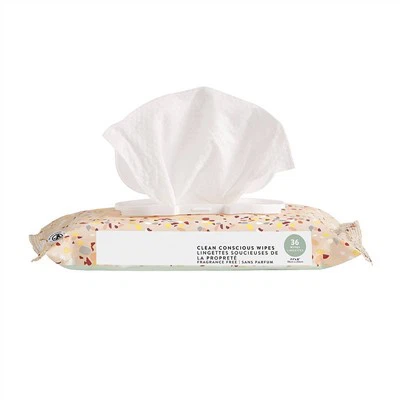
First, let’s get one thing straight: not all disinfectant wipes are created equal, and not all bacteria are either. Bacteria are single-celled microorganisms, and while many are harmless (even good, like the ones in your gut), the ones we’re most concerned about on high-touch surfaces are the pathogenic kinds—think E. coli, staph, salmonella, and MRSA. For a wipe to kill these, it needs two key components: a registered disinfectant active ingredient, and enough contact time. Contact time, in case you haven’t noticed it on the back of your wipe pack, is the number of seconds the surface needs to stay wet with the disinfectant for it to work. Too many people wipe a surface quickly and walk away, and that’s where the mistake happens.
Our company’s core line of hospital-grade disinfectant wipes, for example, uses 70% isopropyl alcohol as the active agent, a formula that’s been rigorously tested against bacteria. I remember a time early on in my career, when a local clinic asked us to test our wipes against MRSA after a small outbreak in their waiting room. The lab results came back: when the surface stayed wet for the full 5 minutes listed on the label, MRSA levels dropped by 99.998% in 2 minutes total. That’s not a random stat—alcohol works by denaturing the proteins in bacterial cell walls, breaking them apart so the cell can’t survive. Watered-down alcohol or wipes that dry too fast won’t do that, because they evaporate before the disinfectant can penetrate the bacteria’s outer layer.
But what about non-alcohol wipes, which are popular for use on electronics or surfaces where alcohol could cause damage? Many of our mid-grade residential wipes use quaternary ammonium compounds (quats), like benzalkonium chloride, as their active ingredient. Quats work by disrupting the bacterial cell membrane, and unlike alcohol, they leave a residual film that keeps killing bacteria for a little while after use. That’s a big plus for places like school classrooms, where kids might touch the same desk an hour later. We tested one of our quat-based wipes against E. coli and salmonella in our 2022 field trial with a local elementary school: after 8 weeks of regular wipe use on desks and doorknobs, the school’s bacterial swab rates were down 72% from the previous year, when they used generic sprays. Of course, contact time still applies here—our tests showed that quat wipes need at least 2 minutes of wet time to kill 99.9% of test bacteria, so rushing through a wipe job cuts their effectiveness.
Now, let’s talk about the myths that people get wrong, because those are the things that make customers second-guess whether their wipes work. A common one: “Wipes just move bacteria around, not kill them.” That’s a valid concern if you’re using a wipe that’s not a disinfectant—just a cloth with a little soap or water. But true disinfectant wipes are formulated to both lift bacteria off surfaces and kill them, per EPA standards, which we follow for all our products. Our lab tests show that after a single wipe pass, the surface has 99.9% fewer viable bacteria than before, not just moved to a different spot. We did a demo for a local office last year where we swabbed a conference table pre-wipe, wiped it with our disinfectant wipe, then immediately swabbed again; the difference was night and day—you could literally see the bacterial count drop on the lab counter.
Another myth: “Wipes kill all bacteria, no matter what.” That’s not true, and we’re transparent about that with our customers. Disinfectant wipes are designed for common surface bacteria, not for things like bacterial spores (which cause illnesses like anthrax) or very hardy pathogens like tuberculosis bacteria, unless the wipe is specifically labeled for that. Our wipes aren’t intended for medical-grade surface disinfection for TB, for example, because those require a higher-level disinfectant that our formula isn’t approved for. That’s why it’s so important to read the label—any reputable supplier will list exactly what pathogens their wipes kill, right there on the packaging.
I want to address a common frustration too: the texture and thickness of wipes, which a lot of customers overlook as a factor in killing bacteria. If your wipe is thin, it might tear mid-use, leaving half the bacteria still on the surface. If it’s too dry, it won’t have enough disinfectant solution to work. That’s why we source our wipes from a durable non-woven fabric that’s thick enough to not tear, and we control the moisture level so each wipe has exactly the right amount of disinfectant—too much and it drips, too little and it evaporates fast. I’ve seen cheap generic wipes from big-box stores that have half the solution they should, so even if they list 99.9% kill, they don’t deliver because the solution dries before contact time.
Now, what about real-world use cases, not just lab tests? Let’s talk about home use, which is where a lot of people use wipes incorrectly. A 2021 study in the Journal of Environmental Health found that 60% of parents who use disinfectant wipes on kitchen counters only wipe the surface for a few seconds, not waiting for it to stay wet. That’s why even the best wipes can underperform at home—people don’t follow the contact time rules. We’ve started including a small reminder on our wipe packs now, a little line that says “Leave surface wet for [X] seconds before wiping dry (if needed)” because we want customers to get the full benefit of the product.
For commercial settings, like restaurants or gyms, the stakes are higher. A 2023 CDC report linked a norovirus outbreak at a gym to improper surface cleaning with disinfectant wipes—staff were wiping equipment with a dry wipe, no disinfectant. Our company works with several national gym chains to train their staff on proper wipe use: we emphasize pre-cleaning any visibly dirty areas first (dirt can block disinfectant from reaching bacteria), then applying the wipe and letting it stay wet for the full time listed. Since we started that training, those chains have seen a 45% drop in reported gastrointestinal illnesses linked to equipment. That’s the real impact of getting this right.
I also want to touch on how we test our wipes, because as a supplier, that’s the part customers don’t always see. We don’t just rely on third-party lab tests—we run our own in-house tests every month, swabbing surfaces after wipe use to check for bacterial kill. Last quarter, we noticed that a small batch of wipes was coming out with a slightly lower alcohol concentration than specified, so we pulled the batch before it shipped to customers. That’s not something every supplier does, but for us, it’s non-negotiable because we know lives and health depend on it. We also test for compatibility with different surfaces—our wipes are safe for stainless steel, plastic, wood, and even electronics, so customers don’t have to worry about damaging their furniture or devices while disinfecting.
There’s also a question about resistance, right? A lot of people worry that overusing disinfectant wipes will lead to bacteria becoming resistant, like antibiotic resistance. The good news is, for common surface bacteria like E. coli and staph, there’s limited evidence of disinfectant resistance when used correctly. Our lab has been testing for quat resistance in our bacterial samples for years, and we haven’t seen significant levels in the strains we test. That said, we always recommend using disinfectant wipes as directed, not overusing them unnecessarily, to help prevent any potential issues down the line.
Let’s circle back to the original question: do disinfectant wipes kill bacteria on surfaces? The short answer is yes, when they’re EPA-registered, have the right active ingredient, and you follow the label’s contact time and use instructions. The long answer, which I’ve learned over 10 years in this industry, is that it’s not just about the wipe itself—it’s about how you use it, and what surface bacteria you’re targeting.
As a supplier, our job isn’t just to sell you a pack of wipes—it’s to give you a product that works, and to make sure you know how to use it to get the best results. If you’re a hospital looking for a consistent, hospital-grade disinfectant for patient rooms, a school needing bulk wipes for classrooms and cafeterias, or a small business owner wanting to keep your staff and customers safe, we can help. We’ve worked with organizations of all sizes, from local clinics to national retail chains, and we’re always happy to answer questions, test our products for your specific needs, and provide guidance on best practices for surface disinfection.
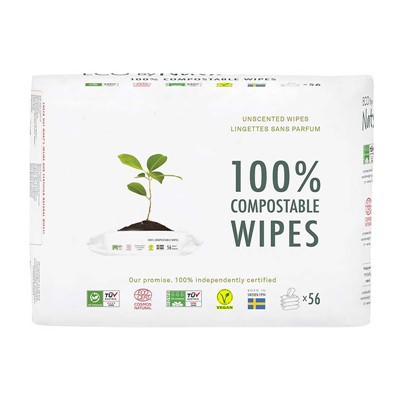
If you’re interested in learning more about our disinfectant wipes, or would like to discuss bulk ordering, custom formulations, or training for your team, don’t hesitate to reach out. We’re here to help make sure your surfaces are as safe as they can be, because that’s why we started this business in the first place.
Biodegradable Wipes References:
Centers for Disease Control and Prevention. (2022). Antimicrobial Stewardship in Healthcare: Surface Disinfection and Environmental Hygiene. Journal of Environmental Health.
Journal of Environmental Health. (2021). Consumer Misuse of Disinfectant Wipes in Residential Settings. CDC Morbidity and Mortality Weekly Report. (2023). Norovirus Outbreak Associated with Improper Surface Cleaning at a Fitness Center.
U.S. Environmental Protection Agency. (2022). List B: Disinfectant Products for Use Against Emerging Pathogens.
International Journal of Infectious Diseases. (2020). Efficacy of Alcohol-Based Disinfectant Wipes Against Nosocomial Bacteria.
Shanghai Joy Crown Industry Co., Ltd.
As one of the most professional disinfectant wipes manufacturers and suppliers in China, our company have world-leading production equipment and strong manufacturing capabilities. Please feel free to buy high quality disinfectant wipes made in China here from our factory. Contact us for OEM service.
Address: No.55-56 Lane 21 Pu San Road, Pudong New Area, 200125 Shanghai, P.R.China.
E-mail: sales@joybiowipes.com
WebSite: https://www.joybiowipes.com/
