Hey everyone, Medical Foam Adhesive Tape
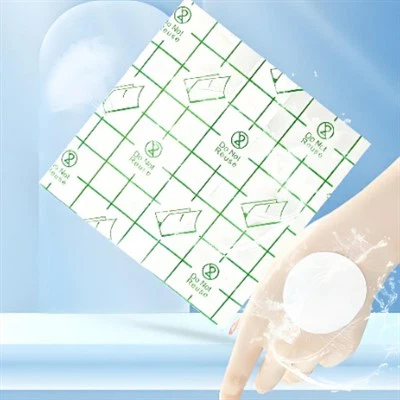
If you’ve ever dealt with medical foam adhesive tape, you know it’s a total lifesaver for things like securing wound dressings, supporting sprains, or even holding IV lines in place. But let’s be real—removing it? That’s the part no one warns you about. One wrong move, and you’re left with red, irritated skin, maybe even a small tear, which is the last thing you want, especially if you’re already dealing with a sore area.
Wait, full transparency here: I work with a medical foam adhesive tape company, so I’ve talked to a ton of nurses, caregivers, and even regular folks who reach out with this exact problem. A lot of people think “just peel it off fast” works, but that’s exactly what’s causing the skin damage. Today, I’m breaking down the why behind this, plus step-by-step, gentle methods that actually work—no more ouch moments.
First, let’s get one thing straight: why is medical foam tape so tricky to remove? It’s not the same as regular masking tape, right? This stuff is designed to stay put even when you sweat, get a little wet, or move around. The adhesive is usually a pressure-sensitive acrylic or silicone-based formula that bonds to skin’s natural oils and proteins. When you peel it off abruptly, you’re not just removing the tape—you’re stripping away the top layer of your skin (the stratum corneum, for the science folks out there), which is super thin and easily irritated, especially if you have sensitive skin, eczema, or even just sunburn around the area. I’ve had a customer tell me she used her go-to fast peel trick on her kid’s ankle tape, and the kid cried so hard they had to call the pediatrician. That’s the kind of story that makes me double down on sharing these right methods.
Now, let’s dive into the good stuff. All these methods use products you probably already have at home, or can pick up cheaply at a pharmacy—no fancy, overpriced stuff required.
First up, my go-to method for most people: the slow, warm peel with medical-grade adhesive remover. Wait, why medical-grade? Because regular nail polish remover or alcohol is too harsh—it dries out skin and can even break down the foam tape’s adhesive base, leaving sticky residue that’s even worse to get off. Medical adhesive remover is made specifically for this: it dissolves the bond between the tape and skin without hurting the top layers. Here’s the step-by-step I walk caregivers through every time:
- First, wash your hands so you don’t get more germs on the skin around the tape. If the tape is on a area with hair (like an arm or leg), comb it gently first so you don’t pull hair when peeling.
- Apply a small amount of medical adhesive remover (either in a spray or wipe form) directly to the edge of the tape. Let it sit for 30-60 seconds—don’t rush this! The remover needs time to seep under the tape and loosen the adhesive. If you apply too much and it drips, just blot it with a clean tissue.
- Now, peel the tape back toward the direction of hair growth. This is a key tip most people miss! If you peel against hair, you’re pulling hair and skin at the same time, which equals pain and damage. Take it super slow—like, peel back 1-2 inches, hold that section flat against the skin with one hand, and use your other hand to pull the tape at a 15-30 degree angle (not straight up!). A steep angle is more likely to rip skin; a shallow angle distributes the force so it’s gentler.
- If there’s still sticky residue left after peeling, just dab a little more remover on the residue, wait 15 seconds, and wipe it off with a soft cloth. Don’t scrub—just press gently and wipe.
Wait, what if someone doesn’t have medical adhesive remover handy? No problem—here’s a household alternative that works for mild adhesive bonds: baby oil or mineral oil. I’ve used this on my own arm tape when I was nursing a sprain last year, and it worked way better than just peeling. The steps are almost the same, except instead of remover, use a cotton ball soaked in baby oil. Same waiting time (30 seconds) before peeling, same angle rule. Important note though: this works best for short-term tape use (like 1-3 days). If the tape’s been on for a week or more, the oil might not loosen the deep adhesive bond as well, so you might want to pick up a cheap adhesive remover from the store for those cases.
Another method I’ve tested is the warm compress trick. Sometimes, even without remover, heat can soften the adhesive just enough to make peeling gentle. Here’s how to do this safely:
- Get a clean washcloth, soak it in warm (not hot—hot water burns skin!) water, and wring out all excess so it’s not dripping.
- Press the warm cloth to the tape for 1-2 minutes. The heat melts the adhesive a little, so it doesn’t stick as hard.
- Then, follow the same peel rules: 15-30 degree angle, pull toward hair growth, slow. This is great for people with super sensitive skin who can’t use oil or adhesive remover at all—just make sure the cloth isn’t too hot, especially if the area is already sore from whatever the tape was holding.
Now, what should you absolutely NOT do? I’ve seen people do all these, and they always end up with irritated skin:
- Don’t pull it off fast “to get it over with”—speed equals more force on skin.
- Don’t use rubbing alcohol, hydrogen peroxide, or nail polish remover. These are solvents that strip skin’s natural oils, leading to dryness, redness, and even chemical burns if left on too long.
- Don’t pick at residue with your nails or a sharp object. That’s a surefire way to scratch or tear skin—use a soft cloth instead.
- Don’t peel it off when the skin is wet or sweaty. Moisture can make the adhesive stick even more, so wait until the area is dry.
Wait, let’s add a quick tip for when you have to reapply tape (since that’s half the point of using it in the first place). After removing the old tape, clean the skin with a mild, fragrance-free soap and pat it completely dry—moisture breaks down new adhesive, and leftover residue will make the new tape not stick well. If the skin is a little red, you can apply a thin layer of hypoallergenic moisturizer, wait 10 minutes, then put the new tape on. That way, you’re protecting the skin and making the tape stay put longer.
A lot of people ask me if there’s a tape type that’s easier to remove, and I’ll be honest—some foam tapes are designed specifically for gentle removal, which is why at our company, we make that a top priority. We test every batch to make sure the adhesive bonds to skin just enough to stay, but comes off without irritation when you use the right method. That’s why I always tell people that if they’re dealing with repeat tape use, picking a foam adhesive tape made with skin-friendly adhesive is a game-changer.
Now, I know some people might be thinking, “This sounds like a lot of steps. Can’t I just cut corners?” But from all the feedback I get, the people who skip the waiting time and angle rule are the ones leaving reviews saying their skin was red for days. It’s not hard, it just takes a tiny bit of patience—way better than dealing with a painful rash or tear.
If you’re a nurse, caregiver, or someone who uses medical foam tape regularly, I’d love to hear what works for you. And if you’re in the market for a tape that’s easy on skin and reliable for your needs, feel free to reach out to our team to chat about your requirements—we’re here to help you find the right product for you.
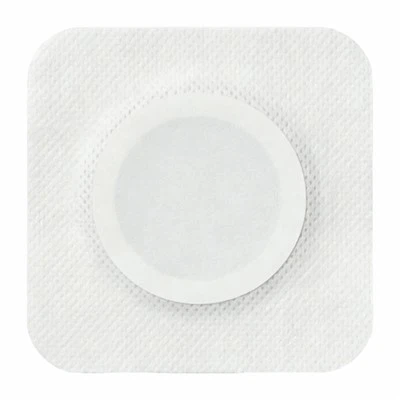
Just to wrap this up: the key takeaways are slow peeling, 15-30 degree angle, toward hair growth, use a medical adhesive remover or baby oil if needed, and skip the harsh stuff. No more ouch, no more irritated skin. That’s what we’re all here for, right?
AED, Hysiotherapy Electrode Pads References:
- American Academy of Dermatology. (2022). Tips for removing adhesive bandages and tape without damaging skin.
- Journal of Wound Care. (2021). Adhesive removal techniques to minimize skin trauma in long-term care settings.
- International Society of Clinical Dermatology. (2020). Best practices for managing adhesive-related skin irritation.
- U.S. Food and Drug Administration. (2019). Safe use of medical adhesives for wound care and securement of medical devices.
- Skin Pharmacology and Physiology. (2022). Effects of adhesive removers on stratum corneum integrity.
Shenzhen Omori Biological Technology Co., Ltd.
We’re well-known as one of the leading medical foam adhesive tape manufacturers and suppliers in China. We warmly welcome you to wholesale high quality medical foam adhesive tape made in China here from our factory. If you have any enquiry about customized service, please feel free to email us.
Address: Floor4, No43, Langkou Industrial park, Dalang Street, Longhua District, Shenzhen City, Guangdong Province, China
E-mail: wya@omorimed.com
WebSite: https://www.omorimed.com/
