If you’ve ever stood in a clothing store, squinting at racks marked “one size fits all” or “plus size” cramped in a corner far from the regular lines, you know that easy, comfortable clothing designed to fit every body shouldn’t feel like a needle in a haystack. As someone who’s spent the last 12 years as an Easy Wear supplier—watching customers of all shapes, ages, and abilities leave fitting rooms frustrated, staring at tags that list “XXS to 4XL” like a stretch of hope, or worse, not even having that option—I’ve made it my mission to fix that gap. The question I get most from retail partners, small boutique owners, and even regular folks who want to stock the right pieces is: Where do you find inclusive size Easy Wear that doesn’t skimp on comfort, durability, or style? Today, I’m breaking down the places (and mistakes) that I’ve learned along the way, from wholesale markets to direct-to-supplier partnerships, and what to look for when you’re sourcing for your customers. Easy Wear
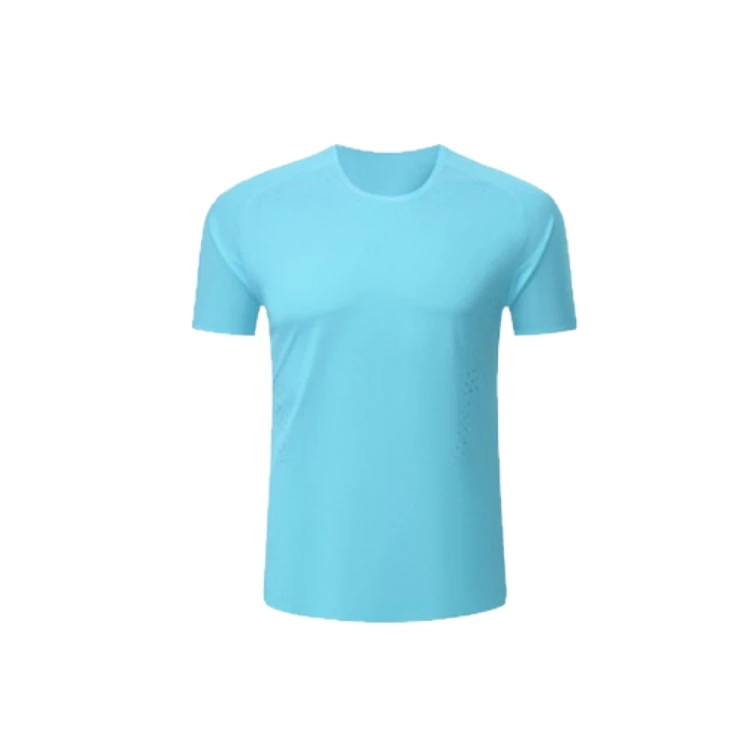
First, let’s get one thing straight: inclusive size Easy Wear isn’t just “adding more sizes.” It’s designing pieces that work for bodies that don’t fit a narrow, idealized mold. That means stretch that moves with you, hems that land at the right spot whether you’re a size 2 or a size 22, and fabrics that don’t pill after three washes no matter what size you buy. Too many “plus size” lines cut corners, using stiffer, less breathable fabrics or generic patterns that only tweak a regular cut to add width, rather than adapting it for curves, taller torsos, or wider shoulders. When I started out, I made that exact mistake. Early on, I tried to save costs by taking a small’s easy tee and just grading it up to a 3XL, making the body longer but leaving the armholes tight and the neckline gaping for customers with broader shoulders. I lost two small boutique accounts in six months because of that—they told me their customers were coming back complaining that the “inclusive size” pieces fit worse than their old, limited lines. That lesson taught me that the best inclusive Easy Wear comes from partners who start with size inclusivity as a core design principle, not an afterthought.
Now, let’s talk about where to source this kind of gear, and which avenues have worked best for my team and the partners we work with.
The first stop that most new suppliers or boutique owners overlook is specialized inclusive size wholesale trade shows. Not every trade show is created equal. Big, general fashion trade shows—like some of the global ones held in Las Vegas, Milan, or Shanghai—often relegate plus size or inclusive size sections to a side room, with brands that just grade up regular designs. But there are niche shows built entirely around size-inclusive fashion, like Curve NY in the U.S. or the UK’s Curves Conference. I started attending Curve NY back in 2017, and that’s where I met the first set of factories that truly got inclusive design. Unlike the general shows, every brand there was showcasing pieces made for sizes XS to 6XL, with sample lines that fit bodies of all proportions, not just a model sized for the runway. At one show, I sat in on a panel with a factory owner who explained that for inclusive sizes, they use a larger size as the base pattern, then grade down to smaller sizes to preserve proportions, rather than the other way around. That’s a small detail that makes all the difference—no more sagging hems or baggy shoulders on smaller sizes, no more tight leg openings on larger sizes. Trade shows like these also let you talk directly to designers and factory reps, see samples up close, and ask about materials, lead times, and minimum order quantities (MOQs) that work for small to mid-sized businesses. I work with three factories I met at Curve NY now, and their MOQs are flexible enough for our small boutique partners, as well as the big retail chains we supply.
Next up is direct sourcing from inclusive size-focused apparel manufacturers. This is the route I recommend for anyone who wants more control over the design and quality of their Easy Wear pieces, rather than buying through a middleman. The key here is to vet the manufacturer first—don’t just go for the lowest price, go for one that publishes its size charts clearly, shares design process details, and has customer testimonials from people in inclusive sizes. For example, when I was looking to expand our line to include adaptive Easy Wear for customers with mobility issues, I didn’t go to a general manufacturer. I worked with a small factory in Bangladesh that specializes in adaptive and size-inclusive clothing; they worked with physical therapists to add hidden magnetic closures and stretch fabrics that work for people who use wheelchairs. When sourcing directly, you can also request custom size ranges, from petite to tall, to accommodate more specific needs. The downside is that direct sourcing usually requires a bit more legwork, and MOQs are often higher than through a middleman, but for Easy Wear—pieces that people wear every day, multiple times a week—quality is non-negotiable. I once had a partner who bought a batch of 500 easy joggers from a middleman, only to find that the fabric was thinner than advertised and the sizing was inconsistent across runs; switching to direct sourcing cut our defect rate by 70% and made our customers much happier.
Another option that’s often underutilized is inclusive size wholesale platforms. These are online marketplaces that curate only brands and manufacturers that focus on inclusive sizing, so you don’t have to sift through hundreds of listings from brands that only offer a limited size range. Platforms like Adding Plus, Size Inclusive Collective, and Global Fashion Collective’s inclusive arm are great for small boutique owners or new suppliers who don’t have the time to travel to trade shows or vet factories on their own. I started listing my line on Size Inclusive Collective in 2019, and that’s how I found most of our new small retail partners, who were tired of only being able to stock lines that fit a narrow range of sizes. The best part about these platforms is that they often have built-in size verification—each brand has to submit their size chart for approval, and they have reviews from actual customers in inclusive sizes, not just models. A few years back, I saw a brand on the platform that was listing sizes up to 5XL, but their customer reviews were full of comments that the sizing ran smaller than advertised. I reached out to the brand, and they explained that they had updated their size chart but hadn’t adjusted their product listings; that’s the kind of transparency you don’t always get on general wholesale platforms. The only thing to watch for here is hidden fees—some of these platforms charge higher commission rates than general marketplaces, so make sure you factor that into your pricing when selling to your customers.
Now, let’s talk about the pitfalls to avoid when sourcing inclusive size Easy Wear, because even reputable suppliers can cut corners here. The biggest mistake is falling for “plus size lines” that are just graded-up regular sizes. I mentioned this earlier, but it’s worth repeating: if a brand or manufacturer only offers sizes up to 2X or 3X, that’s a red flag for true inclusivity. The bodies that people have come in all proportions—wide hips, long torsos, broad shoulders, petite frames that don’t fit a straight size’s small. A real inclusive size line will have at least six core sizes, ranging from XS to 6XL, and will publish detailed size measurements for each part of the garment, not just chest or waist. Another pitfall is sacrificing comfort for style. A lot of Easy Wear is designed for loungewear, but brands will use scratchy polyester or thin cotton for larger sizes to cut costs, assuming that plus size customers don’t care about fabric quality. That’s not just unfair—it’s bad business. Our best-selling line is a set of easy cotton-blend joggers and tees, and we make sure every size uses the same fabric, with the same softness and durability. We test every batch on bodies of different sizes, too—my team includes two people who wear sizes 18 and 22, and they’re the first to check if a tee’s neckline is too tight or a jogger’s waistband is digging in.
I also get asked all the time if it’s worth sourcing from fast fashion brands for inclusive size Easy Wear. My answer is almost always no, and here’s why. Fast fashion brands often add plus size sizes as an afterthought, and their manufacturing processes are focused on speed and low cost, not quality. I’ve seen fast fashion joggers that pilled after two washes, easy tees that lost their shape after one wear, and sizing that was completely inconsistent— a size medium in one fast fashion brand is a size large in another. Plus, many fast fashion brands have poor labor practices, which is something I won’t compromise on. We work with factories that pay living wages and have safe working conditions, and that’s a non-negotiable part of our sourcing process. When you buy inclusive size Easy Wear from a responsible supplier, you’re not just getting a better product—you’re supporting businesses that care about all customers, not just the ones that fit a narrow mold.
At the end of the day, the best way to source inclusive size Easy Wear that works for your customers is to prioritize design that’s rooted in inclusivity, not just a marketing buzzword. When I started my business, I had to unlearn a lot of the old habits I’d picked up working in fast fashion, where “inclusive” was just a label to get more sales. Now, every new piece we design starts with a size 20 as the base pattern, and we grade down to smaller sizes to make sure every fit is consistent. We work with customers of all sizes to test our pieces, and we adjust our designs based on their feedback—last year, we added side pockets to all our easy joggers because customers with larger hips said the front pockets were too shallow to hold a phone.

If you’re a boutique owner looking to stock inclusive size Easy Wear, a retail manager looking to update your line, or a fellow supplier looking to source quality pieces, I’m here to help. My team has spent years building relationships with reputable factories, refining our design processes, and perfecting inclusive size Easy Wear that’s comfortable, durable, and stylish for every body. We work with partners of all sizes, from small local boutiques to large national retail chains, and we’re always looking to expand our network. If you’re interested in learning more about our line, discussing custom size ranges, or placing an order, reach out to our procurement team to start the conversation. Together, we can build a clothing market that works for everyone, not just a select few.
Outdoor Wear References:
- Council of Fashion Designers of America (CFDA). (2021). Inclusive Size Design Guidelines: Best Practices for Fit and Proportion.
- National Retail Federation (NRF). (2022). Size-Inclusive Apparel: Market Trends and Consumer Expectations.
- Global Organic Textile Standard (GOTS). (2023). Sustainable Fabric Choices for Size-Inclusive Apparel Manufacturing.
- Curve Global. (2022). 2022 Inclusive Size Apparel Sourcing Report: Lessons from Trade Show Vendors and Retail Partners.
Faust Garment Co., Ltd.
As one of the most professional easy wear manufacturers and suppliers in China, our products have good reputation in the market. We warmly welcome you to buy high quality easy wear made in China here from our factory. Also, custom service is available.
Address: 6th Floor, North Wing of Hengxin Building, No.9, Chifeng Road, Quanzhou City, Fujian, China.
E-mail: Kathywang@faustgarment.com
WebSite: https://www.faustsport.com/
