What’s up, fellow process engineers, plant managers, and anyone who’s ever stared at a stainless steel reactor and thought, “I need to grab a sample without messing up the whole batch”? Let’s cut to the chase: if you work with reactors—whether that’s for pharma, chemical processing, food & beverage, or even biotech—you’ve probably heard the term “stainless steel reactor sampling valve” thrown around. But what exactly is it, and why should you care? Let’s break this down like we’re chatting over a coffee (or a lab coffee, let’s be real). Stainless Steel Reactor
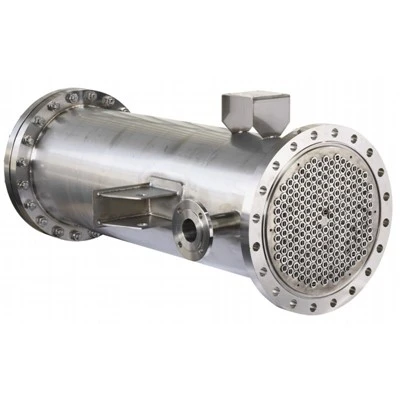
First, let’s ground this in the basics. A stainless steel reactor is basically a sealed, high-capacity vessel built to hold chemical reactions, mixing, heating, cooling—all that stuff that happens when you’re making something from raw materials. Whether it’s a vaccine component, a specialty polymer, or a batch of craft beer’s brewed extract, you need to check in on how the reaction’s going mid-process. That’s where a sampling valve comes in. It’s not just a little tap you crank open and poke a cup into—this is a precision piece of kit designed to pull a small, representative sample without contaminating the batch, spilling expensive materials, or risking anyone’s safety.
Now, why stainless steel specifically? Let’s be honest, plastic valves would melt or leach. Brass or regular steel would rust, corrode, or react with whatever’s in that reactor. Stainless steel (think 316L usually, sometimes 304) is inert, super durable, easy to clean, and stands up to the high temps and pressures reactors run at. For industries like pharma, where cleanliness is non-negotiable, stainless steel is a no-brainer—no weird chemicals getting into your product, no cross-contamination between batches. That’s why our company focuses solely on stainless steel reactor components, and the sampling valve is one of the workhorses we sell every single month.
Let’s get into how these valves actually work, because not all of them are the same. You’ve got a few main types, right? The most common are the ball-style sampling valve, the diaphragm type, and the needle valve variant. Let’s simplify:
The ball-type is the one you’ll see a lot in medium to large reactors. It’s got a small ball inside the valve body with a hole drilled through it. When the hole’s aligned with the reactor’s line, product flows into a small internal chamber. Then you twist the ball closed—trapping that sample—and you can pull the chamber out (or open a secondary port) to collect your sample. The best part? It’s a closed system 99% of the time, so you don’t have to worry about fumes escaping or outside stuff getting in. That’s huge for hazardous reactions or sterile processes.
Diaphragm sampling valves are even cleaner. They use a flexible diaphragm to separate the sample chamber from the actuator (the part you turn or push). No wobbly stems or gaps where bacteria or residue can hide—perfect for biotech or food where you need something easy to sterilize (autoclave it, clean it in place, whatever). We sell a ton of these for pharma clients who can’t afford even a speck of cross-contamination from a worn valve seal.
Needle valves are more for smaller, lab-scale reactors, or when you just need a tiny sample without a big chamber. They’re simple: a thin needle that pierces a seat, you crack it open a little, and a drop or two comes out. Great for testing pH or concentration mid-batch without wasting product, but they’re not ideal for large batches because they can leak if not aligned right.
Now, let’s talk about why this matters way more than just “grabbing a sample.” I’ve heard horror stories from clients who used the wrong valve: a plastic tap that leaked, ruining a $50k batch of specialty chemicals, or a valve with a crevice where bacteria grew, leading to a product recall. A good stainless steel reactor sampling valve solves those problems. It’s designed to maintain the reactor’s seal when you take a sample—so you don’t lose pressure, you don’t let contaminants in, and you can trust that the sample is actually representative of what’s inside the reactor, not what spilled on your hands or got mixed with dust from the plant floor.
Another big point: compatibility. Not all reactors are the same size or have the same port fittings. That’s why we offer custom-sized sampling valves that fit perfectly on our stainless steel reactors, or retrofits for other brands’ reactors too. Whether you’ve got a 50-gallon lab unit or a 10,000-gallon industrial tank, we can get a valve that bolts right on, no modifications needed. We also make sure they’re rated for the pressure and temp your process uses—if you’re running high-pressure hydrogenation, we’ve got valves that can handle that; if you’re doing low-temp bioreactions, we’ve got ones that won’t brittles over time.
Wait, let’s address a common misconception: some folks think “can I just use a regular water tap as a sampling valve?” No. Way no. Regular taps have rubber seals that degrade in chemical environments, they’re not designed to be closed off mid-sample without messing up the reactor’s pressure, and they’re hard to clean. Stainless steel reactor sampling valves are made specifically for the harsh conditions of reactor vessels. They’re precision-machined, so there’s no gap between the valve and the reactor’s port that can trap residue. That’s non-negotiable for cGMP compliance (current Good Manufacturing Practices) which is mandatory for pharma and food industries.
Now, let’s get into what makes a good sampling valve vs. a cheap knockoff. A lot of no-name brands will sell you a stainless steel valve that’s just stamped, not machined, with flimsy seals that leak after a few uses. We test every single one of our sampling valves before they leave our warehouse: pressure tests, leak tests, cleanability tests. We use 316L stainless steel for all our wetted parts because it’s the most corrosion-resistant, and we use FDA-approved seals for food/pharma applications. We also offer spare parts—O-rings, diaphragms, balls—so you don’t have to buy a whole new valve if a seal wears out. That’s the stuff that matters for long-term use.
Let me give a quick example of a client we worked with last quarter: a craft biotech startup making monoclonal antibodies. They had an older reactor with a generic sampling valve that kept leaking during mid-batch samples. They were wasting 2-3% of their $10k batch every time they took a sample, and they were at risk of missing a test window because the valve took forever to open without spilling. We swapped their old valve for our custom stainless steel ball-type sampling valve, and cut their sample waste to less than 0.1%, plus they can take a sample in 10 seconds flat, no fuss. That’s the value here—not just a valve, but saving you money, time, and product.
Another use case: a food processing plant making organic apple cider vinegar. They needed a sampling valve that could stand up to acidic vinegar, be cleaned in place (CIP) after every batch, and not leach any chemicals into their organic product. Our 316L diaphragm sampling valve was perfect. It’s easy to CIP, has no hard-to-clean crevices, and is inert to acetic acid. They’ve been using it for 6 months now and haven’t had a single issue with contamination or leaks.
So, if you’re in the market for a sampling valve, what should you look for? First, match it to your reactor’s port size and material. Second, pick a type that fits your process: closed system for hazardous reactions, diaphragm for sterile processes, needle for small samples. Third, make sure it’s rated for your pressure and temp. Fourth, go with a supplier that offers testing, spare parts, and compliance documentation (like 316L material certificates, cGMP compliance info). That’s exactly what we provide as a stainless steel reactor supplier—we don’t just sell parts, we help you pick the right one for your specific setup.

Now, let’s wrap this up. A stainless steel reactor sampling valve isn’t a flashy piece of equipment, but it’s one of the most important ones in your process. It’s the link between what’s happening inside your reactor and the data you use to make decisions. A bad valve can ruin batches, cause safety issues, and cost you money. A good one? It’s reliable, clean, and makes sampling a non-event.
Glass Lined Reactor If you’re looking to upgrade your current valves, or outfitting a new stainless steel reactor, let’s chat. We can walk you through the types, sizes, and custom options to make sure you get exactly what you need without overpaying. No sales pitches, no jargon—just straight talk about parts that work for your process.
References
- Stainless Steel Valves for Industrial Reactors, Industry Today, 2023
- cGMP Compliance Guidelines for Sampling Systems, FDA, 2022
- Selection of Sampling Valves for Biopharmaceutical Processes, Bioprocess International, 2021
- Materials of Construction for Corrosive Process Fluids, Chemical Processing Magazine, 2020
Zibo Gyro Industry Engineering
As one of the most professional stainless steel reactor manufacturers and suppliers in China, we have world-leading production equipment and strong manufacturing capabilities. Please feel free to wholesale advanced stainless steel reactor at competitive price from our factory. Customized orders are welcome.
Address: Jinling San Village, East of Qilu Chemical Industrial Park, Linzi District, Zibo City, Shandong Province
E-mail: vwang5871@gmail.com
WebSite: https://www.gyro-epcunit.com/
