Yo! I’m a supplier of Crusher Hydraulic Systems, and today I wanna chat about how to optimize the performance of a crusher hydraulic system. It’s a topic that’s super important for anyone in the crushing industry, whether you’re running a big quarry or a small recycling plant. Crusher Hydraulic Systems
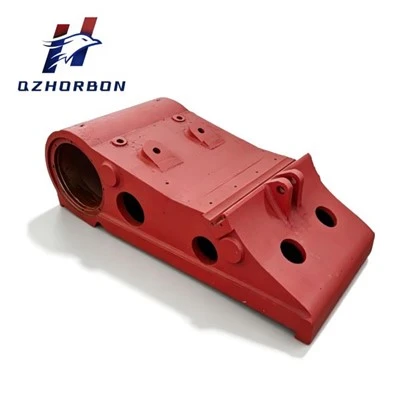
First off, let’s talk about the basics. A crusher hydraulic system is like the heart of a crusher. It’s responsible for powering the crushing action, adjusting the gap between the crushing jaws or cones, and ensuring smooth operation. When it works well, your crusher can produce high-quality aggregates efficiently. But when it doesn’t, you’re looking at downtime, increased maintenance costs, and lower productivity.
Regular Maintenance is Key
One of the most important things you can do to optimize the performance of your crusher hydraulic system is regular maintenance. It’s like taking your car in for an oil change and tune-up. You wouldn’t neglect your car, right? Well, the same goes for your hydraulic system.
- Fluid Checks and Changes: The hydraulic fluid is the lifeblood of the system. It transfers power, lubricates moving parts, and dissipates heat. Over time, the fluid can break down, get contaminated with dirt and debris, or lose its viscosity. That’s why you need to check the fluid level regularly and change it according to the manufacturer’s recommendations. A good rule of thumb is to change the fluid every 2,000 to 3,000 hours of operation or at least once a year.
- Filter Replacements: Filters are there to keep the hydraulic fluid clean. They trap dirt, metal particles, and other contaminants that could damage the system. You should replace the filters at regular intervals, usually every 500 to 1,000 hours of operation. A clogged filter can restrict the flow of fluid, increase pressure, and cause the system to overheat.
- Seal Inspections: Seals are what prevent the hydraulic fluid from leaking out of the system. Over time, they can wear out, crack, or get damaged. You need to inspect the seals regularly for signs of leakage, such as oil spots on the ground or around the hydraulic components. If you find a leaking seal, replace it immediately. A small leak can turn into a big problem if left unaddressed.
Proper System Design and Installation
Another crucial factor in optimizing the performance of a crusher hydraulic system is proper system design and installation. You need to make sure that the system is designed to meet the specific requirements of your crusher and your application.
- Sizing the Components: The hydraulic pump, valves, cylinders, and other components need to be sized correctly for the crusher. If the components are too small, the system won’t have enough power to operate the crusher effectively. On the other hand, if the components are too large, it can lead to inefficiencies and increased energy consumption.
- Correct Installation: The hydraulic system needs to be installed correctly to ensure proper operation. This includes proper piping, mounting of components, and alignment. Any mistakes during installation can lead to leaks, pressure drops, and other problems. Make sure to follow the manufacturer’s installation instructions carefully or hire a professional installer.
Monitoring and Troubleshooting
Monitoring the performance of your crusher hydraulic system is essential for early detection of problems and preventing costly breakdowns. You can use a variety of tools and techniques to monitor the system.
- Pressure and Temperature Sensors: Install pressure and temperature sensors in the hydraulic system to monitor the operating conditions. High pressure or temperature can indicate a problem, such as a clogged filter, a malfunctioning valve, or a leak. You can set up alarms to alert you when the pressure or temperature exceeds the normal range.
- Flow Meters: Flow meters can help you measure the flow rate of the hydraulic fluid. A decrease in flow rate can indicate a blockage or a problem with the pump. By monitoring the flow rate, you can detect problems early and take corrective action before they cause major damage.
- Vibration Analysis: Vibration analysis can be used to detect problems with the hydraulic components, such as worn bearings or loose connections. By analyzing the vibration patterns, you can identify the source of the problem and take steps to fix it.
When you encounter a problem with the hydraulic system, it’s important to troubleshoot it quickly. Start by checking the obvious things, such as the fluid level, filter, and seals. If the problem persists, you may need to use more advanced diagnostic tools or consult a professional technician.
Training and Education
One thing that’s often overlooked is the importance of training and education for the operators and maintenance personnel. They need to understand how the crusher hydraulic system works, how to perform basic maintenance tasks, and how to troubleshoot common problems.
- Operator Training: Operators should be trained on how to operate the crusher safely and efficiently. They need to know how to start and stop the hydraulic system, how to adjust the settings, and how to recognize signs of a problem. By proper training, operators can help prevent unnecessary wear and tear on the system and reduce the risk of breakdowns.
- Maintenance Training: Maintenance personnel should receive in – depth training on the hydraulic system. They need to know how to perform regular maintenance tasks, such as fluid changes and filter replacements, as well as how to diagnose and repair more complex problems. Ongoing training can keep them up – to – date with the latest technologies and best practices in hydraulic system maintenance.
Upgrading and Retrofit
As technology advances, you may want to consider upgrading or retrofitting your crusher hydraulic system. This can improve the performance, efficiency, and reliability of the system.
- New Components: Upgrading to newer, more advanced hydraulic components can offer better performance. For example, a more efficient hydraulic pump can reduce energy consumption, while a more precise valve can improve the control of the crushing process.
- Automation and Control Systems: Adding automation and control systems can enhance the operation of the crusher hydraulic system. You can use sensors and programmable logic controllers (PLCs) to monitor and adjust the system automatically, optimizing the crushing performance and reducing the need for manual intervention.
In conclusion, optimizing the performance of a crusher hydraulic system requires a combination of regular maintenance, proper system design and installation, monitoring and troubleshooting, training and education, and upgrading when necessary. By taking these steps, you can ensure that your crusher hydraulic system runs smoothly, efficiently, and reliably, which ultimately means more productivity and less downtime for your operation.
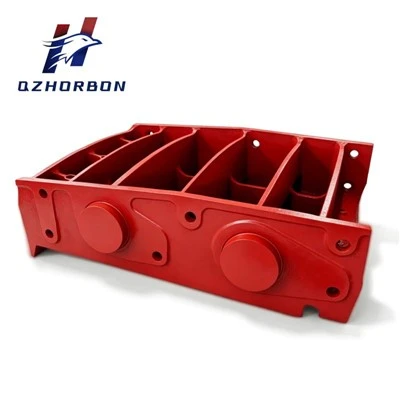
If you’re looking to optimize your crusher hydraulic system or need a reliable supplier for your hydraulic components, don’t hesitate to get in touch. I’m here to help you find the best solutions for your specific needs. Whether it’s a simple maintenance tip or a complete system upgrade, I’ve got you covered. Let’s start a conversation and see how we can work together to improve the performance of your crusher hydraulic system.
Crusher Balance Weight Block References:
- Hydraulic Systems Handbook by Eaton Corporation
- Crusher Operation and Maintenance Manuals from leading crusher manufacturers
Quzhou Horbon Mining Parts Co., Ltd.
Address: No.8 Nanshan Road, Qujiang District, Quzhou City, Zhejiang Province, China
E-mail: horbonmining@gmail.com
WebSite: https://www.horbonmachinery.com/
