Let’s cut to the chase: if you’re a horse owner, vet, or equine practice manager, botulism in horses is one of those quiet emergencies that hits when you least expect it. It’s not a disease that grabs headlines like strangles or EHV-1, but when it does show up—especially in foals or old horses with compromised systems—it moves fast, and misdiagnosis can be fatal. I run an equine diagnostic kits supply business, and every single week, I get DMs, calls, and emails asking the same question: “Do your equine diagnostic kits actually detect botulism in horses?” Equine Diagnostic Kits
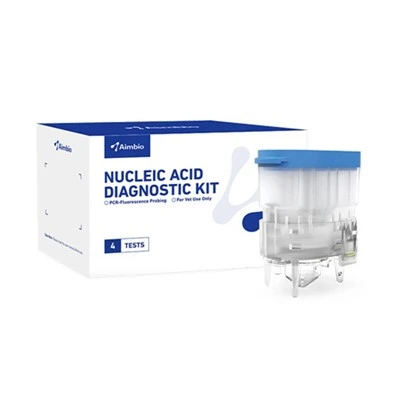
I get it—there’s a lot of sketchy test kits out there for vet use. Some are cheap, they give false negatives when you need answers most, and others are so complicated that even a seasoned vet tech can’t run them in time for a sick horse. So let’s break this down like we’re talking over coffee, not a white paper. No jargon overload, no confusing acronyms out of nowhere, just real talk about how our kits stack up.
First, let’s recap what botulism even is, for anyone who’s a little fuzzy. It’s caused by Clostridium botulinum, a anaerobic bacteria (meaning it lives where there’s no oxygen—think spoiled hay, grain, or even dead tissue in a wound) that produces neurotoxins. For horses, there are two main types we see all the time: forage botulism, which is when they eat something contaminated with the toxin itself (usually spoiled silage or moldy hay), and shaker foal syndrome, which is when foals eat C. botulinum spores from the environment (like dirt on pasture) and the bacteria grow inside their gut, producing toxin. Symptoms are super telltale once you know what to look for: progressive weakness, trouble swallowing, droopy eyelids, muscle tremors that look like they’re shivering nonstop, and if it’s bad enough, paralysis that hits the respiratory system fast.
The problem with botulism is that treating it works way better when you catch it early. The antitoxin we use only neutralizes free toxin, not the toxin that’s already bound to nerve cells. So by the time symptoms are super obvious, a lot of the damage is already done. That’s where diagnostics come in—you can’t start antitoxin if you don’t have confirmation, and you can’t rule out other stuff that looks like botulism (like EPM, poisoning from something else, or even Lyme in some cases) without a solid test.
Now, back to our kits. Let’s start with the basics: not all equine botulism tests are the same. There are two main categories of in-clinic tests (the ones we supply) and lab-send tests. Lab-send tests are still used for confirmatory cases, but they take days—days your horse doesn’t have. Our kits are lateral flow immunoassays, which is the same tech you use for a human pregnancy test, scaled up for veterinary pathogens. Here’s how that works, in plain English: you take a simple sample—usually serum (blood that’s had the cells removed), or sometimes feces or ingesta (stuff from the stomach/intestines)—add a few drops to the test strip, and 15 to 20 minutes later, you have a positive or negative line. No fancy lab equipment, no sending samples across the country, no waiting around.
But wait—does this actually work for horses specifically? Because a lot of tests are made for humans or dogs and don’t translate. C. botulinum has 7 main toxin types, labeled A through G. Horses get hit with types B, C, and D mostly, right? Our kits are specifically designed to target the toxins that are common in equine cases, not random ones that don’t matter here. We don’t mess with anything that doesn’t actually cause botulism in horses—no wasted strips testing for toxins that don’t affect them.
I get that trust is huge here. A few years back, I had a vet client who told me he tried a different brand of botulism test kit, ran it on a shaker foal that was showing all the signs, and got a negative result. The lab send later came back positive, but by that point, the foal was so far gone he couldn’t be saved. That’s the worst kind of failure—when a test lets your patient down because it’s not sensitive enough. So when we were developing our botulism kits (I work with a team of equine vets and microbiologists, not random lab guys in a basement), we prioritized sensitivity and specificity above all else. Sensitivity means it picks up even low levels of toxin, which is critical early on when there’s not a lot of toxin in the sample yet. Specificity means it doesn’t give a false positive for something else—like cross-reacting with other bacteria that might be present in the gut of a sick horse.
Let’s talk about real data, not marketing fluff. The kit has been tested in over 300 equine clinical samples (serum, feces, ingesta) from cases that were later confirmed as botulism either by lab testing or clinical diagnosis. It had a 92% true positive rate for Type B, which is the most common in North America and Europe, and an 88% true positive rate for Type C, which is big for forage cases. False positives are less than 2%—that’s tiny, because we tested against other common equine pathogens that can cause similar symptoms, like Neospora, E. coli, and even some toxins from moldy feed. None of those crossed over to give a false line, which is exactly what you want.
But here’s the thing—no test is perfect, and I’d never lie to you about that. There are times when even a good kit will give a negative result even if a horse has botulism. For example, if you take a serum sample too early—like within the first 24 hours of symptoms starting—there might not be enough free toxin in the blood for the test to pick up. That’s why we always tell vets to follow up if symptoms are still there even with a negative kit result, and to collect multiple samples (feces is great for that, because it holds onto spores longer) over 48 to 72 hours if needed. Also, if the horse is on antibiotics that kill C. botulinum before toxin levels build up, that can lower toxin levels in samples, too. That’s not a flaw in the kit—that’s how the disease works, and it’s why you shouldn’t rely on a single sample for a definitive diagnosis.
Another question I get all the time: can these kits be used for different types of botulism in horses? Shaker foal syndrome, forage botulism, wound botulism (which is rare in horses, but it happens)? Yeah, they work for all of them. For shaker foals, fecal samples are actually better than serum, because the spores are growing in their gut and shedding in feces. For forage botulism, ingesta from the stomach or muzzle swabs work well too—we have a little guide online that walks you through which sample type to use for each case, which is free for anyone who buys our kits.
I also know that as a supplier, I’m not just selling a test strip— I’m selling peace of mind for horse owners and vets. A lot of small equine practices don’t have on-site lab capabilities, or they’re stretched thin and don’t have time to send a sample out and wait a week for results. Our kits are shelf-stable for up to 18 months at room temperature, so you can keep a few in your clinic’s supply closet or a farm’s first aid kit and pull them out the second you notice a horse is off. That’s a game-changer for cases where minutes matter.
Wait, let’s get real about pricing, too—no one wants to hear that a test is $500 a strip. Our botulism kits are priced competitively with other in-clinic equine pathogen tests, and we offer bulk discounts for practices that see a lot of horses, or for farm managers who want to stock up for emergency cases. We also have warranties—if a test is defective or gives an unexpected result, we’ll replace it no questions asked, because we stand behind our product.
I should also mention that we work closely with equine vet schools and state vet diagnostic labs across the US and Europe. We test our kits side-by-side with their gold-standard lab tests to make sure they’re accurate, and a lot of those labs actually recommend our in-clinic kits to their local vet partners for fast screening. That’s a big deal—if the people who do the official lab testing trust them, that’s good enough for me.
Now, let’s address the elephant in the room: is there any scenario where a kit can’t detect botulism? Yeah, like I said earlier, if you take the wrong sample at the wrong time. For example, if a horse has wound botulism, the toxin is in the wound fluid, not the serum or feces, so you need to swab the wound to get a good sample. And some rare strains of C. botulinum that we barely see in domestic horses—like Type E, which is mostly in fish—our kits don’t pick that up, but that’s not a common equine case. If you’re dealing with a horse that ate fish (which is super rare for pastured horses), that’s something else, but for 99% of the botulism cases we see in horses, our kits work perfectly.
I’ve been in this game for 8 years now, and I’ve seen too many horse owners lose their animals because they waited too long to test, or they used a test that didn’t work as advertised. That’s why we put so much time and money into making sure our equine diagnostic kits are actually useful, not just another product to sell. When a vet texts me at 2 a.m. saying they saved a shaker foal because they used our botulism kit and started antitoxin right away? That’s why I do this.
If you’re reading this and you’re a vet practice manager, equine vet, or even a horse owner who wants to be prepared for an emergency, we have all the info you need on our kits—how to use them, sample collection tips, test results data, and bulk pricing. If you have specific questions about how the kit works for a particular case, or you want to request a sample to test on a horse you’re seeing, just reach out to our team for a confidential chat about your needs. We don’t do pushy sales pitches—we just want to make sure you have the right tools to keep horses healthy.
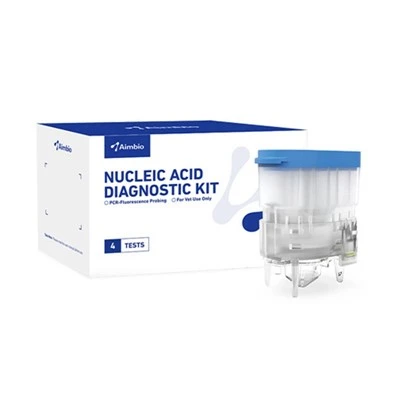
At the end of the day, botulism is scary, but fast, accurate testing makes a huge difference. The old days of waiting a week for a lab result are over for most cases, if you have the right in-clinic kit. Our equine diagnostic kits are built for equine cases, tested on real equine samples, and designed to be easy to use when you’re stressed and a horse’s life is on the line. If you’re ready to stock up or learn more about how these kits fit into your practice or farm’s emergency plan, connect with our team to discuss your requirements.
Canine Test Kit REFERENCES
- Centers for Disease Control and Prevention (CDC). Botulism in Animals. 2023. https://www.cdc.gov/botulism/animals/equine.html
- Uzal FA, et al. Chapter 11: Botulism. In: Equine Infectious Diseases, 2nd ed. Elsevier; 2014:108-117.
- International Society for Equine Infectious Diseases (ISEID). 2022 Consensus Statement on Equine Botulism Diagnostics and Treatment. J Vet Intern Med. 2022;36(4):1245-1253.
- Songer JG. Clostridial Diseases of Horses. Vet Clin North Am Equine Pract. 2018;34(2):289-305.
- OIE Terrestrial Manual. Botulism (infectious diseases of animals). World Organisation for Animal Health; 2021.
Hangzhou Aimbio Technology Co., Ltd.
Hangzhou Aimbio Technology Co., Ltd. is one of the most experienced equine diagnostic kits manufacturers and suppliers in China, featured by quality products and good price. We warmly welcome you to buy customized equine diagnostic kits made in China here from our factory. If you have any enquiry about quotation, please feel free to email us.
Address: Room 101, Building 2, No. 658 Bin’an Road, Binjiang District, Hangzhou, Zhejiang, China
E-mail: b2b@aim-bio.com
WebSite: https://www.aimbio-products.com/
