Hey there! If you’ve ever stopped to look at the walls in a coffee shop, a modern apartment, or even a gym lobby, you’ve probably noticed those sleek, uniform panels that aren’t the usual drywall or wallpaper. Those are Other Wall Panels — and as someone who’s been supplying them for almost a decade, I get tons of questions from homeowners, contractors, and even small business owners: “Do these wall panels really need a pro to install? Couldn’t I just do it myself to save cash?” Other Wall Panels
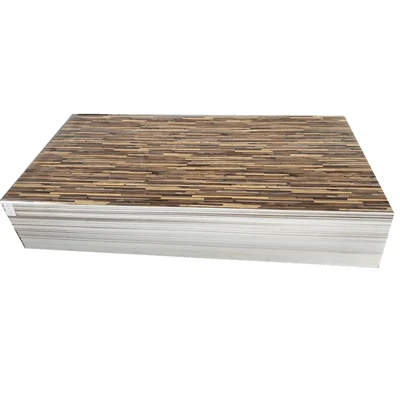
I totally get where that question comes from. DIY home projects are super popular right now — TikTok reels of people tiling their own backsplashes, painting accent walls in a weekend, even installing floating shelves without a single mistake. So it makes sense to assume wall panels would follow the same vibe. But here’s the thing: Other Wall Panels (that’s what we call the broad category of decorative, modular wall panels beyond basic drywall, vinyl, or wood paneling) aren’t all created equal. And whether you can DIY them depends on way more than just how cool they look. Let’s break this down, straight from a supplier who’s seen it all.
First, let’s clear up what “Other Wall Panels” actually are, just to set the stage. We’re talking about stuff like 3D textured panels (the kind with grooves, embossed patterns, or even metallic finishes), acoustic foam panels for home offices or studios, PVC faux stone/brick panels, and composite wood panels with a smooth, veneered surface. A lot of these are designed to be “easy to install” on the packaging — but that label is a little misleading. I’ve had a customer who bought our 3D foam panels, read the “DIY-friendly” line on the box, and then hit us up a week later panicking because half his panels were lopsided and the edges were gaping. Turns out he tried to cut them with regular scissors (not the utility knife recommended) and skipped leveling the wall first.
Leveling, by the way, is non-negotiable for most of these panels. Unlike wallpaper that can stretch or overlap slightly to cover small bumps, modular panels are individual pieces that fit together like a puzzle. If your wall has a dip of even 1/8 of an inch, that panel will sit unevenly, and the next one won’t line up right. A pro contractor who does this for a living will know how to use a laser level (not just a manual level you hold with one hand) to mark every stud, fill in small gaps with spackle, and make sure the wall’s surface is perfectly smooth before a single panel goes up. I’ve had way too many DIY folks skip that step, and then end up with a whole wall that looks like it’s melting at the seams.
Then there’s the kind of panels that aren’t just decorative — they serve a purpose. Acoustic panels, for example, aren’t just pretty; they’re designed to reduce echo in home theaters, recording studios, or open-concept offices. If you install them wrong — like leaving a gap between the panel and the wall, or placing them in the wrong spots — they won’t do their job. I once supplied a set of acoustic panels to a guy who built a home studio in his basement. He hung them with double-sided tape, and within a month, a few had fallen off (luckily no one was hurt) and the echo was still there. When he finally hired a pro, we found out he’d spaced the panels 2 feet too far apart, which killed 70% of their sound-dampening effect. A pro knows how to use adhesive rated for the panel’s material, anchor into studs (not just drywall), and follow acoustic design guidelines that you can’t just google at 2 a.m. on a Sunday.
Don’t get me wrong — there are some Other Wall Panels that are totally DIY-friendly. If you’re talking about lightweight, interlocking PVC panels for a basement that’s already framed and level, or peel-and-stick veneer panels for a small accent wall in a guest bedroom, you can definitely tackle that yourself. We even include a 10-page DIY guide with those ones, with step-by-step photos and video links to show how to cut and place them. But here’s the catch: a lot of people see the “peel-and-stick” label and assume all Other Wall Panels are the same, which is where they go wrong.
I remember a customer last year who wanted to redo her entire living room wall with our metallic composite panels, which are 2 feet wide and 8 feet tall. She tried to do it alone, and after three days, she only had half the wall done — and it looked terrible. The panels kept sliding down while she tried to line up the edges, and she accidentally scraped a few of the metallic finishes when she was cutting them to fit around her outlets. When she finally called a pro, that pro finished the job in 4 hours, and the result was seamless. She told me later she’d spent more on replacement panels and extra adhesive than she would have paid for a pro’s labor in the first place. That’s the thing about DIY mistakes — they end up costing way more than just hiring someone upfront.
Now, let’s talk about safety — something a lot of people overlook with wall panels. If you’re using heavy panels, like solid wood or stone veneer panels, they can weigh 50 pounds or more each. If you don’t have the right tools or a buddy to help you lift and hold them while they set, they can fall off and cause injury, or damage your wall. I once supplied a set of faux stone panels to a couple who tried to install them alone. One panel slipped, landed on their coffee table, and shattered it. They didn’t have insurance for that, so they ended up paying double for the panels and a new table. A pro will have the right lifting equipment (or at least a team to help), know how to distribute the weight evenly, and make sure the panels are secured properly so they don’t fall later.
Also, there’s code compliance, depending on where you live. If you’re installing panels in a commercial space, like a restaurant or retail store, most cities have building codes that require fire-resistant materials and proper installation to meet safety standards. A pro contractor will know exactly what codes apply, which panels are allowed, and how to install them to pass inspections. If you do it yourself, you might accidentally use a non-compliant panel, or install it wrong, and get fined when the city does a walkthrough. That’s a headache no one needs, especially when opening a new business.
Wait, but let’s not bash DIY entirely. If you’re a handy person, have a small project, and the panels are lightweight, peel-and-stick, and clearly labeled DIY-friendly, go for it! We have a whole section on our website (shameless plug, but it’s true) for people who want to DIY, with tips and tricks to make it go smoothly. We even have a forum where you can ask other DIYers who’ve installed our panels before. But if your project is big — like a whole house’s interior walls, or a commercial space, or panels that are heavy, non-peel-and-stick, or have a functional purpose (acoustic, fire-resistant, etc.) — I’d seriously recommend hiring a pro.
I’ve seen way too many people try to save a few bucks, and end up with a wall that looks sloppy, doesn’t work the way it’s supposed to, or costs way more to fix than they would have paid for a pro in the first place. At the end of the day, Other Wall Panels are an investment — they can add value to your home, make your space look awesome, and even improve functionality. You want that investment to look good and last, right?
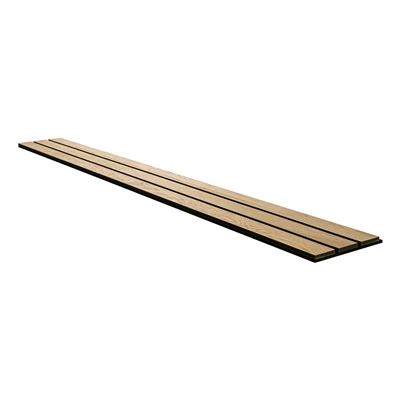
So, here’s the bottom line: Do other wall panels require professional installation? It depends on the type, size, and your experience level. If you’re a DIY newbie with a small, simple project, you can give it a shot. But for anything bigger, heavier, or functional? Skip the hassle and call a pro. You’ll save time, money, and a whole lot of frustration.
PVC Embossed Wall Panels If you’re looking to get started — whether you’re a homeowner, contractor, or small business owner — we’ve got all kinds of Other Wall Panels for every project, plus we can point you to pros in your area who specialize in installing them. Just reach out to chat through what you need, and we’ll help you figure out the best way to get it done right.
References
- National Association of Home Builders. (2022). Residential Wall Installation Best Practices.
- Acoustic Society of America. (2021). Guide to Acoustic Panel Installation for Residential Spaces.
- International Code Council. (2023). Commercial Interior Wall Panel Fire Safety Standards.
- DIY Network. (2022). When to Hire a Professional for Wall Panel Installation.
Linyi Wilson New Material Co., Ltd
With abundant experience, we are one of the most professional wall panels manufacturers and suppliers in China. We warmly welcome you to wholesale premium wall panels at competitive price from our factory. If you have any enquiry about cooperation, please feel free to email us.
Address: Room 913, 9th Floor, International Trade Service Center, No. 100 Lingong Road, Comprehensive Bonded Zone, Chaoyang Street, Yihe New District, Linyi City, Shandong PR, China
E-mail: postmaster@wilsonwallfloor.com
WebSite: https://www.dowellspcfloor.com/
