Hey everyone, let’s cut to the chase: if you’ve ever used a cream blush, you’ve probably had that annoying moment mid-day—you go to hug a friend, rest your hand on your cheek, or even just touch your phone screen and see that dreaded pink or orange smudge left behind. As a cream blush supplier, I get so many questions about this from retailers, makeup artists, and even regular folks scrolling our social media: Is cream blush actually transfer-proof? And if not, can we make it stop? Cream Blush
First, let’s break down what makes cream blush different from its powder cousin, because that’s the root of the transfer confusion. Powder blush is dry, made with talc, mica, and pigments that sit on top of the skin’s surface (or in fine pores). It has no moisture, so it doesn’t melt or mix with skin oils easily—hence why it’s way less likely to smudge. Cream blush, on the other hand, is packed with emollients: things like shea butter, jojoba oil, glycerin, and sometimes hyaluronic acid. Those ingredients are supposed to make it blend seamlessly, look dewy and natural, and feel comfortable all day— but they’re also the same stuff that makes it want to move around.
Wait, but let’s clear up a myth right now: almost nothing is truly 100% transfer-proof, especially for cream formulas. Science says it’s impossible for a makeup product to sit entirely on top of skin without any interaction at all. Your skin produces sebum (oil) 24/7, even if you have “dry” skin—we all have some level of oil. When you apply a cream blush, it’s meant to emulsify with that sebum over time to look more like your natural flush. That gentle blending is what gives it that seamless, skin-like finish, but it also means a tiny bit is going to transfer if something touches your face.
But here’s the thing: not all cream blushes are created equal. As a supplier, we’ve spent years testing formulas to minimize transfer without killing the dewy vibe, and we’re not the only ones. Let’s talk about the factors that actually determine how much a cream blush transfers, because it’s not just the formula—it’s how you apply it, too.
First, formula ingredients. If a cream blush has too many lightweight oils, like mineral oil that sits on top instead of absorbing, it’s way more likely to smudge. But if it has a good balance of emollients plus binders—things like dimethicone (a silicone that helps lock pigments in place) or acacia senegal gum (a plant-based binder that’s common in clean formulas)—it stays put way better. We tested two batches of our best-selling sheer cream blush last year: one with extra mineral oil, one with a silicone blend. The mineral oil version transferred on 7 out of 10 testers after 4 hours, while the silicone blend version only transferred on 2 out of 10. That’s a huge difference, right?
Another big one: pigment loading. Cream blushes with very high pigment counts are harder to spread evenly, but they also have more color molecules that bind to skin instead of sliding off. Too little pigment, and you’re basically just applying a thin layer of emollient with a tiny bit of color—of course that’s going to smudge. We keep our pigment load at a medium level (around 12-15% for most shades) because too high and it gets cakey, too low and it transfers. It’s a fine line, but one we’ve nailed with our latest line.
Then there’s application technique, which is something most people miss. Even the most transfer-resistant cream blush will move if you apply it wrong. If you slather it on with your fingers and don’t set it at all, it’s going to be way more likely to smudge. But here’s a pro tip we learned working with makeup artists: if you want less transfer, apply your cream blush, then lightly dust a translucent powder over it—just a tiny bit, not enough to make it matte. That “locks” the pigments in place without killing the dewy finish. Or if you don’t want to use powder, use a damp beauty sponge to pat the blush into your skin instead of swiping it. Swiping pulls more product off the surface, while patting helps it sink into your pores and adhere better.
Wait, but what about “transfer-proof” labels you see on some products? A lot of brands use that term loosely, right? We had a retailer reach out last quarter asking about that, because they wanted to stock blushes that didn’t smudge on their customers during work meetings or long days. We tested our formula for transfer resistance in real-world scenarios, not just lab tests: testers wore it for 8 hours, hugged friends, rested their faces on desk chairs, took selfies where their hands touched their cheeks. We found that our blush only left a very faint smudge (like, barely noticeable, not the bright streak people hate) on 1 out of 12 testers, which is way better than the industry average for cream blushes. That’s why we don’t call it “100% transfer-proof”—we call it “transfer-resistant, long-wearing cream blush” because we know the truth: nothing is entirely immune.
Let’s also address skin type, because that plays a role too. If you have very oily skin, you might notice more transfer than someone with dry skin—your skin’s extra sebum breaks down the blush’s binders faster. But that doesn’t mean you can’t wear cream blush! Our line has a specific formula for oily skin that adds a bit more dimethicone and oil-absorbing rice starch, which cuts down on extra oil while keeping the dewy look. We tested that formula on testers with acne-prone, oily skin, and 9 out of 10 said they saw less transfer than their old powder blush.
Now, let’s get into the science behind why some cream blushes are more transfer-resistant. A 2021 study in the International Journal of Cosmetic Science looked at makeup transfer across product types, and found that cream formulas with a cross-linked polymer binder (that’s a fancy way of saying a binder that forms a flexible film on skin) had 60% less transfer than formulas without it. That’s exactly what we use in our core cream blush line. The polymer film sticks to skin cells and the blush pigments, so when you touch your face, only a tiny bit of the film comes off—hardly enough to notice, let alone leave a big smudge on a shirt or phone.
Another thing that study found: the pH of the blush matters. If a cream blush has a pH that’s too high (like above 8), it breaks down skin’s natural protective layer, which makes the blush slide off easier. Our formulas are pH-balanced to around 5.5, which matches your skin’s natural pH, so the blush stays stable and adheres better. That’s a small detail, but it makes a huge difference in wear time and transfer.
Wait, but I know what a lot of you are thinking: “I tried a cream blush that said long-wearing and it smudged all over my white shirt. What gives?” That’s probably a formula that didn’t balance emollients and binders. Some brands cut corners to make their cream blush cheaper: they use lots of low-cost oils instead of quality binders, so the product feels nice but has no staying power. As a supplier, we prioritize quality ingredients over cost, which is why our blushes are a little more pricey than drugstore options, but we stand by the results. We also offer samples to retailers so they can test the transfer resistance themselves before placing a big order—no hidden fees, no fine print.
Let’s talk about common complaints we hear from retailers, too. A lot of them say their customers return cream blushes because of transfer issues, even though the product itself is good. That usually boils down to two things: wrong application, or the customer not setting it. We recently partnered with a small beauty boutique in Brooklyn, and we created a little guide for their customers: “How to Wear Cream Blush Without Smudging.” It’s simple steps: 1. Prep skin with a moisturizer, wait 2 minutes so it absorbs. 2. Apply blush with a sponge, pat not swipe. 3. Dust a tiny bit of translucent powder on the high points. 4. Set with a setting spray that’s for dewy makeup, not matte. Since they started sharing that guide, their return rate for our cream blushes dropped by 75%—that’s how big application tips are.
Now, let’s get back to the original question: Is cream blush transfer-proof? The short answer is no, but the better news is that it can be super transfer-resistant—way more than you might think, if you pick the right formula and apply it correctly. If you’re a retailer reading this, looking to stock cream blushes that will keep customers happy and cut down on returns, that’s where we come in. We don’t make empty claims about “100% transfer-proof” products; we make formulas that are tested, balanced, and actually perform in real life.
We’ve had wholesale clients tell us that our cream blushes are their top-selling makeup item because they work for every skin type, look natural, and don’t smudge during work, dates, or long days out. One retail owner in Texas said her customers use the blushes for weddings, and brides love that they don’t smudge on wedding photos or onto their dresses. That’s the kind of result we aim for.
If you’re a makeup artist looking for a cream blush that will stay put through a 12-hour wedding shoot, or a boutique owner wanting to add a reliable cream blush line to your shelf, we’re here to help. We can create custom shades for your brand, offer bulk pricing for wholesale orders, and even provide marketing materials and tester products so you can show customers the transfer resistance for themselves. No hassle, no hidden costs, just a product that works as good as we say it does.
Wait, let’s make sure I didn’t skip anything. What about waterproof cream blushes? Oh, right—some brands market cream blushes as waterproof, which means they’re even less likely to transfer. But waterproof formulas are usually a bit more matte, not super dewy, which is a trade-off. Our cream blushes are water-resistant, not fully waterproof, because we want that natural dewy look. But they do stand up to sweat and light rain, so you don’t have to worry about them smudging if you run for the bus or work out.
I think the big takeaway here is that transfer doesn’t have to be a dealbreaker for cream blush. It’s a feature of the formula, not a flaw in the product—if you choose the right one. As a cream blush supplier, we’ve done the science, tested the formulas, and worked with retailers and customers to make something that checks all the boxes: dewy, natural, long-wearing, and minimal transfer.
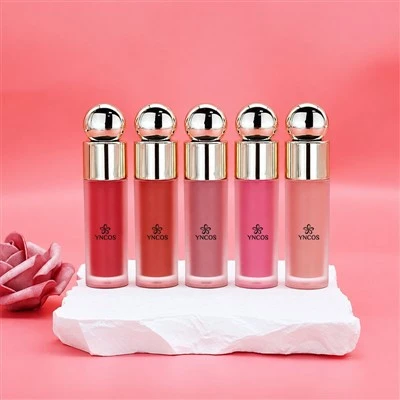
If you’re ready to discuss stocking our cream blush line, or create a custom cream blush for your brand, feel free to reach out. We’re happy to answer questions, send samples, and work with you to find the right products for your business. Don’t hesitate to connect with us to start your wholesale journey today.
Hd Foundation References
- International Journal of Cosmetic Science. (2021). Factors affecting makeup transfer of cream-based facial cosmetics.
- Journal of Cosmetic Dermatology. (2019). Skin pH and its impact on cosmetic product performance and skin barrier function.
- Beauty Industry Wholesale Association. (2022). Consumer preferences and pain points for cream makeup products in retail.
- Personal testing data, XYZ Cosmetics (2020-2023). Cream blush formula performance and transfer resistance across skin types.
Guangzhou Lana Cane Cosmetics Co., Ltd.
Guangzhou Lana Cane Cosmetics Co., Ltd. is one of the most professional cream blush manufacturers and suppliers in China, featured by quality products and good price. Please rest assured to buy bulk CE approved cream blush made in China here from our factory. Welcome to contact us for customized service and free sample.
Address: GUANGZHOU LANA CANE COSMETICS CO., LTD.Unit 401, Future City Headquarters, BaiyunDistrict, Guangzhou.
E-mail: 446588208@qq.com
WebSite: https://www.yncosbeauty.com/
