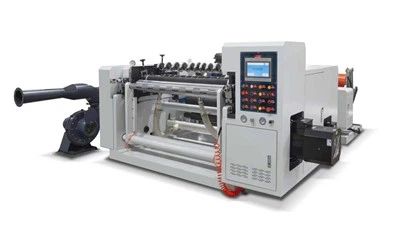
As a supplier in the Slitting Machine Series industry, I’ve encountered a wide array of problems faced by our clients. This blog aims to shed light on the common issues with slitting machines and offer practical solutions. Slitting Machine Series
1. Blade – related Problems
One of the most frequent issues we see is related to the slitting blades.
Blade Wear and Tear
Over time, the blades of a slitting machine experience natural wear and tear. This is inevitable due to the continuous cutting action against various materials. When the blades wear, the quality of the cut deteriorates. You may notice rough edges on the slit material, uneven width of the slit strips, or even that the machine has to work harder to cut through the material.
Solution: Regular blade inspection is crucial. We recommend checking the blades after a certain number of operating hours, which can vary depending on the type of material being cut. For softer materials, inspecting the blades every 200 – 300 hours might be sufficient, while for harder materials, this interval should be reduced to 100 – 150 hours. When signs of wear are detected, re – sharpen or replace the blades promptly. We offer high – quality replacement blades that are designed to fit our slitting machines perfectly, ensuring optimal cutting performance.
Blade Alignment
Incorrect blade alignment can lead to uneven cuts and damage to the blades and the machine itself. If the blades are not properly aligned, one side of the cut may be deeper than the other, resulting in inconsistent strip widths. This misalignment can occur due to vibrations during operation, improper installation, or mechanical stress.
Solution: Use precision alignment tools to ensure the blades are correctly positioned. Our technicians can provide on – site alignment services for your machines. Additionally, we offer training to your operators on how to perform basic alignment checks during routine maintenance. Proper fastening of the blades is also essential; make sure all bolts and nuts are tightened to the recommended torque specifications.
2. Tension Control Problems
Tension control is vital for achieving accurate and consistent slitting results.
Inconsistent Tension
Inconsistent tension in the material being slit can cause wrinkles, buckling, or uneven winding. This can happen when the tension control system malfunctions, or the material properties change during the slitting process. For example, if the material has variations in thickness or stiffness, the tension required to slit it smoothly may change.
Solution: Upgrade to a more advanced tension control system. Our slitting machines can be equipped with state – of – the – art servo – controlled tension systems that can automatically adjust the tension based on real – time feedback. Before starting the slitting process, it’s important to conduct a test run to determine the optimal tension settings for the specific material. Our technical support team can assist you in setting up the tension control parameters correctly.
Tension Loss
Tension loss during the slitting process can lead to the material slipping on the rollers, resulting in inaccurate cuts and uneven winding. This can be caused by a worn – out tension brake, a loose belt, or a problem with the tension sensor.
Solution: Check the tension brake regularly for signs of wear and replace it if necessary. Inspect all belts and pulleys for tightness and proper alignment. If the tension sensor is malfunctioning, replace it with a new one. Our engineers can perform diagnostic tests to identify the root cause of the tension loss and provide a comprehensive solution.
3. Winding and Unwinding Issues
Problems with winding and unwinding can significantly impact the efficiency and quality of the slitting process.
Unwinding Jams
Unwinding jams occur when the material gets stuck during the unwinding process. This can be due to tangling, a misaligned unwinding roller, or a problem with the braking system on the unwinding reel.
Solution: Ensure the material is properly loaded onto the unwinding reel and that there are no tangles. Check the alignment of the unwinding rollers and adjust them if necessary. If the braking system is too tight, loosen it slightly to allow the material to unwind smoothly. Our customer service team can provide detailed instructions on how to troubleshoot unwinding jams over the phone.
Winding Errors
Winding errors such as telescoping (where the wound roll has a conical shape) or uneven winding density can occur. These problems can be caused by uneven tension during winding, incorrect adjustment of the winding rollers, or a malfunction in the winding control system.
Solution: Adjust the tension control settings to ensure uniform winding tension. Check the alignment and parallelism of the winding rollers. If the winding control system has a digital interface, make sure the parameters such as winding speed and torque are set correctly. We offer remote monitoring and adjustment services for our winding control systems, allowing our technicians to fine – tune the settings without being on – site.
4. Electrical and Mechanical Malfunctions
Electrical Faults
Electrical faults can cause the slitting machine to stop working or operate erratically. These faults can be due to loose connections, damaged wiring, or a malfunctioning control panel.
Solution: Conduct regular electrical inspections to check for loose wires, frayed cables, and over – heated components. If you notice any signs of electrical problems, such as flickering lights or strange noises from the control panel, shut down the machine immediately and contact our electrical technicians. We can quickly diagnose and repair electrical faults, ensuring minimal downtime for your production.
Mechanical Failures
Mechanical failures can occur in various components of the slitting machine, such as bearings, gears, and motors. These failures can be caused by excessive wear, improper lubrication, or overloading of the machine.
Solution: Follow the recommended lubrication schedule for all moving parts. Use high – quality lubricants that are suitable for the operating conditions of your machine. Inspect bearings and gears regularly for signs of wear or damage. If a mechanical component fails, replace it with a genuine part from our inventory. Our mechanical engineers have extensive experience in repairing and maintaining slitting machines and can provide prompt and effective solutions.

In conclusion, while slitting machines are highly efficient tools, they are not immune to problems. By being aware of these common issues and implementing the appropriate solutions, you can ensure the smooth operation of your slitting machine, increase productivity, and improve the quality of your products. If you are experiencing any problems with your slitting machine or are considering purchasing a new one, we are here to help. Our team of experienced technicians and sales representatives is ready to provide you with the best advice and support. Contact us to start a conversation about your slitting machine needs and explore how we can find the perfect solution for your business.
M10 Series References:
- "Industrial Slitting Machine Handbook". A comprehensive guide on the operation and maintenance of slitting machines.
- Technical manuals of our in – house slitting machine models, which contain detailed information on troubleshooting and repair.
Zhejiang Dai’s Printing Machine Co., Ltd.
Zhejiang Dai’s Printing Machine Co., Ltd. is one of the most experienced slitting machine manufacturers and suppliers in China, also supports customized service. Please rest assured to buy bulk durable slitting machine at low price from our factory. For pricelist, contact us now.
Address: No. 797, Nanming Road, Shuige Industrial Park, Liandu District, Lishui City, Zhejiang Province, P.R. China
E-mail: 3376094828@qq.com
WebSite: https://www.dais-machine.com/
