Testing the performance of a transformer radiator is a crucial aspect in the power industry. As a transformer radiator supplier, I understand the significance of ensuring that our radiators meet the highest performance standards. In this blog post, I will share some insights on how to effectively test the performance of a transformer radiator. Transformer Radiator
Understanding the Basics of Transformer Radiators
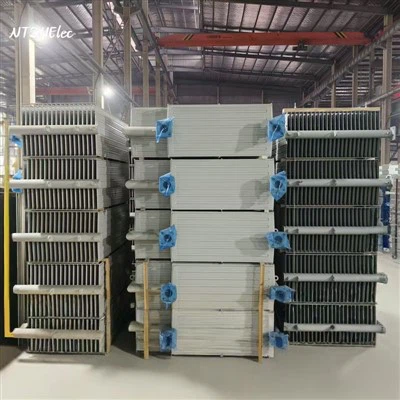
Before delving into the testing methods, it is essential to understand what a transformer radiator is and its function. A transformer radiator is a heat exchanger used to cool the transformer oil. Transformers generate a significant amount of heat during operation, and if not properly cooled, this heat can lead to reduced efficiency, shortened lifespan, and even catastrophic failure of the transformer. The radiator dissipates the heat from the hot transformer oil to the surrounding air, maintaining the transformer at an optimal operating temperature.
Key Performance Indicators (KPIs)
To test the performance of a transformer radiator, we need to focus on several key performance indicators. These KPIs will give us a comprehensive understanding of how well the radiator is functioning.
Heat Dissipation Capacity
The primary function of a transformer radiator is to dissipate heat. The heat dissipation capacity is measured in kilowatts (kW) and indicates how much heat the radiator can transfer from the transformer oil to the surrounding air per unit of time. A higher heat dissipation capacity means the radiator can cool the transformer more effectively.
Pressure Drop
Pressure drop refers to the difference in pressure between the inlet and outlet of the radiator. It is an important indicator of the flow resistance within the radiator. A high pressure drop can indicate blockages or restrictions in the radiator, which can reduce the flow of transformer oil and thus the heat dissipation efficiency.
Airflow
The airflow through the radiator is crucial for heat transfer. Adequate airflow ensures that the heat transferred from the transformer oil to the radiator fins is carried away by the air. Measuring the airflow rate and distribution can help us determine if the radiator is receiving sufficient air for effective cooling.
Oil Temperature
Monitoring the oil temperature at the inlet and outlet of the radiator is a direct way to assess its cooling performance. A significant reduction in oil temperature from the inlet to the outlet indicates that the radiator is effectively dissipating heat.
Testing Methods
Laboratory Testing
Laboratory testing is a controlled environment where we can accurately measure the performance of the radiator under various conditions.
Heat Transfer Testing
In a heat transfer test, we simulate the operating conditions of the transformer by circulating hot oil through the radiator and measuring the heat transfer rate. We use specialized equipment such as thermocouples to measure the temperature of the oil at the inlet and outlet, as well as the temperature of the surrounding air. By calculating the temperature difference and the flow rate of the oil, we can determine the heat dissipation capacity of the radiator.
Pressure Drop Testing
To measure the pressure drop, we install pressure sensors at the inlet and outlet of the radiator. We then measure the pressure difference between the two points while the oil is circulating through the radiator. This test helps us identify any potential flow restrictions within the radiator.
Airflow Testing
We use anemometers to measure the airflow rate at different points around the radiator. By mapping the airflow pattern, we can ensure that the radiator is receiving uniform airflow. Any areas with low airflow may indicate design flaws or blockages that need to be addressed.
Field Testing
Field testing is conducted on the actual installation site of the transformer radiator. This type of testing provides real – world data and allows us to evaluate the performance of the radiator under actual operating conditions.
Installation and Commissioning Testing
During the installation and commissioning phase, we perform a series of tests to ensure that the radiator is properly installed and functioning correctly. We check for leaks, verify the electrical connections (if applicable), and measure the initial oil temperature and pressure.
Long – Term Monitoring
Once the transformer is in operation, we continuously monitor the performance of the radiator over an extended period. This can be done using remote monitoring systems that collect data on oil temperature, pressure, and airflow. By analyzing this data over time, we can detect any performance degradation and take proactive measures to address it.
Factors Affecting Radiator Performance
There are several factors that can affect the performance of a transformer radiator. Understanding these factors is essential for accurate testing and evaluation.
Environmental Conditions
The ambient temperature, humidity, and wind speed all have an impact on the radiator’s performance. Higher ambient temperatures reduce the temperature difference between the oil and the air, making it more difficult for the radiator to dissipate heat. Humidity can also affect the heat transfer efficiency, and strong winds can either enhance or disrupt the airflow around the radiator.
Radiator Design
The design of the radiator, including the number of fins, fin spacing, and tube diameter, plays a crucial role in its performance. A well – designed radiator will have a high surface area for heat transfer and a low flow resistance.
Maintenance
Proper maintenance is essential for ensuring the long – term performance of the radiator. Regular cleaning of the fins to remove dirt and debris, checking for leaks, and replacing worn – out components can all help maintain the radiator’s efficiency.
Quality Assurance and Certification
As a transformer radiator supplier, we are committed to providing high – quality products. We follow strict quality assurance procedures throughout the manufacturing process and conduct comprehensive performance testing on all our radiators. Our products are also certified to meet international standards such as ISO and IEC, which gives our customers confidence in the reliability and performance of our radiators.
Conclusion
Testing the performance of a transformer radiator is a complex but essential process. By focusing on key performance indicators, using appropriate testing methods, and considering the factors that affect performance, we can ensure that our radiators meet the highest standards and provide reliable cooling for transformers.
Transformer Radiator If you are in the market for high – performance transformer radiators or have any questions about radiator performance testing, I encourage you to reach out to us. Our team of experts is ready to assist you in selecting the right radiator for your needs and providing comprehensive support throughout the procurement process.
References
- "Transformer Cooling Systems: Principles and Applications" by Graham E. Trott
- "Handbook of Heat Transfer" edited by Warren M. Rohsenow, James P. Hartnett, and Yogi I. Cho
- International Electrotechnical Commission (IEC) standards on transformer radiators
- International Organization for Standardization (ISO) standards related to heat exchangers
Nantong Zhihe Electric Co., Ltd.
As one of the most professional transformer radiator manufacturers and suppliers in China, we’re featured by quality products and low price. Please rest assured to wholesale cheap transformer radiator made in China here from our factory. Customized orders are welcome.
Address: NO.202 Jianghai West Road, Hai’an Town, Hai’an City, Jiangsu Province
E-mail: colt.ntzh@gmail.com
WebSite: https://www.ntzhelectric.com/
