Hey everyone, if you’ve ever shopped around for flame retardant rubber mats—whether for a garage, warehouse, gym, or even a commercial kitchen—you’ve probably found yourself stuck on one super specific question when scrolling through product listings: “Do these have a rough surface or a smooth one?” I get it—this is way more than a trivial detail, right? As a supplier who’s been in this game for almost 10 years, I’ve fielded this question from electricians tripping over smooth warehouse mats, gym owners wiping down slippery workout mats, and even factory managers who need their mats to stand up to heavy equipment without gouging. Today, I’m breaking this down straight, no fancy jargon or vague answers, just the real deal about flame retardant rubber mat surfaces, why it matters, and what our customers actually need to know. Flame Retardant Rubber Mat
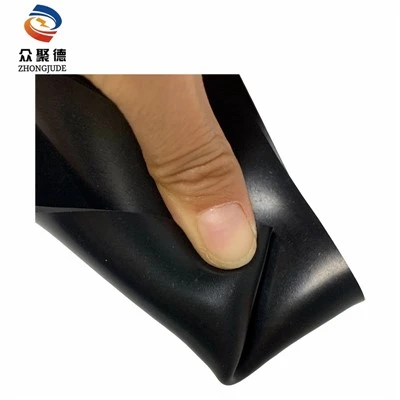
First off, let’s get one basic fact out of the way—flame retardant rubber mats don’t fall into a single “rough or smooth” bucket. A lot of people assume all rubber mats have one uniform surface, but that’s so wrong. The surface is almost entirely tied to what the mat’s actually made for. Let’s start with the two core surface types, then dive into when each makes sense and what the specs actually mean, not just the marketing fluff.
Smooth surface flame retardant rubber mats are super common for spaces where slip resistance paired with easy cleaning is non-negotiable. I see these everywhere—commercial kitchens, hospital lab floors, retail checkout areas, even some electrical workstations. The smooth finish is usually a dense, non-porous rubber compound (think nitrile or EPDM with added flame retardant chemicals) that makes wiping up oil, water, or chemicals a breeze. No cracks, no crevices, so crumbs and spills don’t get trapped—perfect for kitchens where a grease fire is a real risk, or labs where you’re working with corrosive liquids that need to be mopped up fast.
But wait—what’s the downside here? Smooth surfaces can be slippery when wet, right? I’ve had electricians come to me saying they bought a cheap smooth flame retardant mat online, stepped on it with wet work boots, and almost took a spill when moving around heavy electrical gear. That’s the key: smooth = great for dry or low-mess areas, but not ideal for high-traffic spots where people are on their feet all day and might encounter water or light oils. Also, smooth mats tend to show scuffs more easily—if you’re dragging heavy tools or equipment across them, you’ll see marks that make them look worn out faster, even if the flame retardant properties are still totally intact. That’s a trade-off a lot of people don’t consider until it’s too late.
Now, rough surface flame retardant rubber mats—this is the one most folks associate with durability, and honestly, it’s my go-to for heavy-duty use cases. The rough finish isn’t just a random texture, either. Most of these have a fine, non-slip pattern—think small, evenly spaced ridges, dimples, or even a slightly bumpy “tread” that you’d see on a truck tire. The rough surface is designed to increase friction, so even if you spill hydraulic fluid or get caught in a light rain (if you’re using these in an outdoor loading dock), you don’t have to worry about slipping. I sell a ton of these for manufacturing floors, warehouses, loading docks, and gyms where heavy machinery and foot traffic mix.
But rough surfaces aren’t perfect. The big complaint I get from clients is cleaning—those tiny ridges and pores trap dirt, dust, and small debris. If you’re using a rough mat in a garage where you work on cars, for example, oil and metal shavings can get stuck in the texture, and you can’t just wipe it up with a paper towel. You need a stiff broom, a pressure washer, or some kind of deep cleaning tool to get it looking good. That’s why I always ask customers: “What’s the main thing you’re going to be doing on this mat, and how often can you clean it?” No one likes surprises when their $500 mat gets grungy because they didn’t factor in the cleaning part.
Here’s the part most suppliers won’t tell you—there’s a middle ground, too. We make a lot of flame retardant rubber mats that have a dual surface: one side rough for traction, one side smooth for easy cleaning. This is super popular for temporary event spaces, pop-up workshops, or even home garages where you might want to use the mat as a workspace one day and protect a walkway the next. It’s not as common as the single-surface mats, but it solves a lot of the “I need both” problems people run into.
Let’s talk about how the flame retardant part ties into all of this, because that’s the whole point of these mats, right? A lot of people assume rough surfaces are made with different rubber, but actually, the flame retardant additives get mixed into the entire mat, not just the surface. The texture just depends on the mold we use when we cure the rubber. For smooth mats, we use polished molds to get that glossy, even finish. For rough, we use molds with the tread pattern or dimples etched into them. That’s why the flame resistance is consistent across both types—so you don’t have to sacrifice fire safety for texture.
I’ve seen way too many customers make the wrong call here because they didn’t ask the right questions. Last year, a small bakery owner ordered a bunch of cheap smooth flame retardant mats for their kitchen. She emailed me a week later saying they were slipping every time the line cooks carried hot pans and water. I explained that while smooth is easy to wipe, her kitchen has constant spills from washing dishes and moving trays, so a slightly rough non-slip surface would be way better. We sent her a sample of our dual-surface mat, and she ended up reordering the full batch a month later—said her line workers haven’t had a single slip since. That’s the stuff that makes this job worth it, right? Helping people pick the right mat, not just sell them whatever’s on sale.
Another common mix-up: people think rough mats are only for heavy use, but that’s not true. We sell small rough-surface flame retardant mats for home workshops, where a guy might be building furniture and don’t want his work boots slipping on a concrete floor if there’s a stray drop of glue or water. And smooth mats aren’t just for light use—we have smooth flame retardant mats that meet OSHA standards for electrical workspaces, where non-slip is less important than being able to see small parts and clean up electrical residue. It all comes down to the application.
Let’s also touch on durability, because that’s tied to surface texture too. Rough mats tend to hold up better to abrasion, right? The tiny ridges can take more scraping from tools or heavy equipment without wearing through as fast as a smooth mat. We had a customer who used smooth mats in his loading dock for a construction company—after 6 months, the edges were scuffed so bad that the flame retardant coating was wearing off, which is a safety risk. He switched to our heavy-duty rough mats, and they’re still going strong two years later. The trade-off was that they required more cleaning, but the longer lifespan made it worth it for him.
Smooth mats, on the other hand, are more flexible sometimes? Wait, no—actually, flexibility depends on the rubber compound, not the surface. But smooth mats are easier to roll up and store, because there’s no texture to catch on itself. That’s a plus for temporary uses, like trade shows or pop-up events where you need to take the mats down and store them between uses. Rough mats are stiffer because of the texture, so they’re a bit harder to roll, but they lay flatter on uneven floors, which is good for warehouse floors that have small bumps or dips.
I get it, if you’re not in the rubber mat business, this all sounds super specific. But here’s the thing: the surface of your flame retardant rubber mat isn’t just a cosmetic choice. It’s a safety choice, a cleaning choice, and a cost choice all rolled into one. Pick the wrong one, and you could be dealing with slips, fires (wait, no—flame retardant mats don’t catch fire easy, but if the coating wears off, that changes), or having to replace your mat way sooner than you should.
If you’re still not sure which surface is right for your space, here’s a quick cheat sheet I give all my customers:
- Go smooth if: You need easy cleaning, the space is mostly dry, low foot traffic, or you’re using it for workspaces with small parts that are hard to see on a rough surface.
- Go rough if: You need maximum non-slip, high foot traffic, heavy equipment, spaces with frequent spills of oils or liquids, or outdoor use.
- Go dual surface if: You flip between uses, need both traction and easy cleaning, or have a temporary setup.
At the end of the day, every job is different. We’ve worked with everyone from big-box retailers to small hobbyists, and no two orders are exactly alike. If you’re in the market for flame retardant rubber mats and you’re still confused about surface texture, don’t guess—reach out. We can send you free samples, talk through your space’s needs, and make sure you get a mat that’s safe, functional, and lasts. No pressure, no pushy sales talk, just straight answers from someone who’s been doing this long enough to know what works and what doesn’t.

When it comes to flame retardant rubber mats, surface roughness or smoothness isn’t better or worse—it’s just about what fits your needs. Take your time, ask the right questions, and you won’t go wrong. Now, if you’re ready to chat about your specific project, we’re here to help.
FKM Rubber Sheet References
- Occupational Safety and Health Administration (OSHA). Rubber Mat Specifications for Industrial Workspaces, 2022.
- American Society for Testing and Materials (ASTM). Standard Test Method for Surface Roughness and Slip Resistance of Rubber Flooring, 2021.
- National Fire Protection Association (NFPA). Flame Retardant Material Standards for Commercial Flooring, 2020.
- International Code Council (ICC). Building Code Requirements for Commercial Floor Surfaces, 2023.
Hebei Zhongjude Power Technology Co., Ltd.
With abundant experience, we are one of the most reliable flame retardant rubber mat manufacturers and suppliers in China. Welcome to buy bulk high quality flame retardant rubber mat for sale here and get quotation from our factory. For price consultation, contact us.
Address: Shenghe Plaza, No. 88 Qilian Street, High-tech Zone, Shijiazhuang City, Hebei Province, China
E-mail: zhongjude@outlook.com
WebSite: https://www.zjdinsul.com/
